
The destruction of Medline Industries' primary West Coast medical distribution center in Tracy, California, has triggered a regional state of emergency. This incident exposes the fragile supply chains underpinning the national healthcare logistics infrastructure.
On the afternoon of Thursday, June 11, 2026, a massive four-alarm fire broke out at the Medline Industries distribution warehouse at 5701 Promontory Parkway in Tracy, California. The facility, measuring a massive 1,000,000 square feet, was completely engulfed in flames within 40 minutes of the first emergency call at approximately 1:00 p.m. Thick black smoke rose thousands of feet into the air, visible from over 15 miles away across the San Joaquin Valley. The incident forced the immediate evacuation of the warehouse's employees, alongside workers at neighboring logistics operations, including a nearby Amazon fulfillment center and a FedEx Ground hub.
The scale of the disaster prompted the City of Tracy and San Joaquin County to declare a local state of emergency on June 12, 2026. This declaration was intended to mobilize additional firefighting assets and manage the severe environmental impacts of the blaze. Air quality alerts were quickly issued for residents downwind as toxic smoke from burning medical supplies, plastics, and packaging materials spread over the region. Fire departments from Stockton, Modesto, Lathrop-Manteca, French Camp, and Manteca joined Tracy firefighters, bringing over 100 personnel to contain the fire. Despite their efforts, the warehouse was declared a total loss, with damages estimated to exceed 250 million dollars.
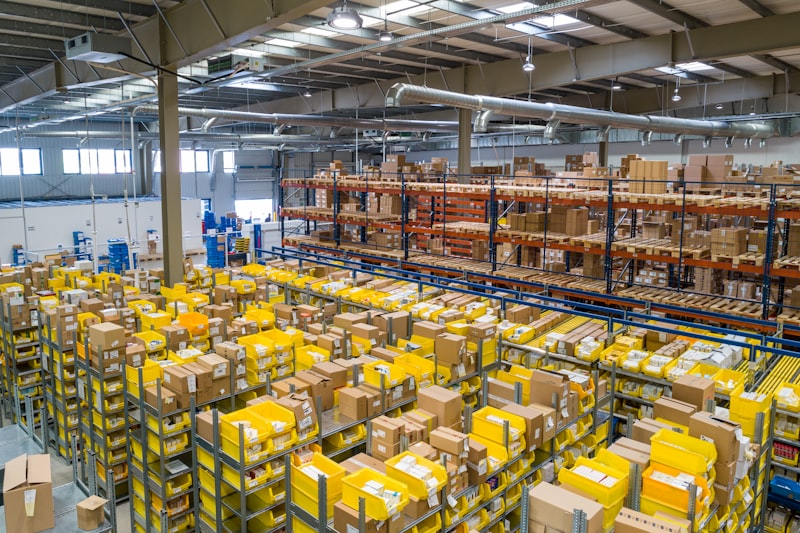 The destroyed Medline facility in Tracy, CA, served as a vital 1,000,000-square-foot node in the national medical supply chain.
- Catastrophic Loss: The 1-million-square-foot Medline Industries warehouse in Tracy, built in 2018, was completely destroyed, representing a total structure collapse.
- Rapid Engulfment: The fire spread from a minor roof report to full structural engulfment in less than 40 minutes, fueled by dry winds and heavy interior fuel loads.
- Suppression Failures: Responding crews encountered a failure of the building's private sprinkler pumps and low hydrant pressure on Promontory Parkway.
- Supply Chain Threat: The facility served as the primary West Coast hub for surgical kits, gloves, and protective equipment, raising concerns of regional medical shortages.
- Federal Investigation: The Bureau of Alcohol, Tobacco, Firearms and Explosives (ATF) has dispatched its National Response Team to determine the origin of the fire.
Outbreak and Rapid Escalation at Promontory Parkway
The incident began around 1:00 p.m. on June 11, 2026, when warehouse employees reported seeing smoke coming from the roof of the facility. Initial reports suggested that maintenance work on the roof or electrical issues associated with solar panel arrays may have sparked the blaze. Before firefighters could establish staging areas, the fire breached the roof membrane and entered the warehouse interior, where it found a dense concentration of highly combustible materials. The facility was stocked with millions of plastic syringes, sterile surgical packs, exam gloves, and paper-wrapped medical kits, which acted as accelerants.
The interior layout of modern mega-warehouses, designed for maximum vertical storage, creates a chimney effect that accelerates fire spread. The high ceilings and open corridors allowed superheated gases to travel rapidly through the building. Within 30 minutes, the fire had spread across several storage bays. The structural steel trusses of the roof, weakened by temperatures exceeding 1,500 degrees Fahrenheit, began to warp and collapse. This collapse forced the responding firefighters to retreat from the building interior and establish defensive operations around the perimeter.
Tracy Fire Deputy Chief Brian Bagley, who directed the multi-agency emergency response, emphasized the speed and severity of the event during an afternoon press conference on June 11, 2026:
“This devastating fire is going to affect the commerce throughout the nation... as this was the main distribution center for all medical supplies. The fire spread with such speed that our crews were forced out of the interior within minutes of arrival.”
— Brian Bagley, Tracy Fire Deputy Chief, June 11, 2026
The rapid evacuation of the building was a key success, with all on-site personnel exiting the structure safely. However, the intense heat radiating from the burning structure threatened adjacent facilities. Out of caution, emergency management officials ordered the evacuation of neighboring warehouse complexes. This order halted operations at an Amazon fulfillment center and a FedEx Ground shipping facility on Promontory Parkway, disrupting local logistics networks for several hours.
Systemic Failures in Fire Suppression and Containment
As the investigation into the disaster begins, fire protection engineers are focusing on the failure of the building's fire suppression systems. Modern warehouses of this scale are required by NFPA standards to feature Early Suppression Fast Response sprinkler systems. These systems are designed to discharge hundreds of gallons of water per minute to suppress high-challenge fires. However, witnesses reported that the sprinklers did not activate effectively in the early stages of the fire, allowing the flames to grow unchecked.
Several factors contributed to this failure of the fire suppression infrastructure:
- Private Water Pump Failure: The facility's private water pumps, designed to boost water pressure from on-site storage tanks, lost power shortly after the fire began.
- On-Site Hydrant Low Pressure: Responding crews discovered that hydrants on Promontory Parkway delivered less than 30 pounds per square inch of pressure, which is insufficient for fire operations.
- Delays in Main Valve Activation: Post-fire inspections suggest that key isolation valves in the sprinkler system may have been partially closed, restricting water flow to the ceiling grids.
Without sufficient water pressure, firefighters had to run supply lines to municipal water mains located over half a mile away. This delay allowed the fire to establish itself in the center of the structure, where water from exterior hoses could not reach. The loss of the private pump highlights the vulnerability of relying on localized electrical infrastructure to power emergency fire systems during large-scale industrial incidents.
The failure of the water system in Tracy is similar to other recent industrial fires where private infrastructure failed under stress. When a facility relies on a single municipal water line without sufficient on-site storage, a drop in municipal pressure can disable the sprinkler system. In this case, the combination of a power outage and low hydrant pressure left the building without defense, showing the need for redundant systems in large logistics parks.
Meteorological Factors and Fire Behavior Dynamics
The rapid spread of the fire was accelerated by severe weather conditions in the Central Valley on June 11, 2026. The region was experiencing a summer heatwave, with temperatures in Tracy reaching 98 degrees Fahrenheit by early afternoon. More importantly, the relative humidity had dropped to 8 percent, desiccating the surrounding vegetation and creating dry conditions. When the fire broke through the warehouse roof, it was exposed to wind gusts of up to 28 miles per hour from the northwest.
These meteorological factors combined to create a fire storm that overran the building's fire walls. The high winds pushed the flames horizontally across the roof, igniting solar panel wiring and roofing materials. The wind also forced air through the loading dock doors, creating a draft that fed oxygen to the interior fire. This wind-driven fire behavior made it difficult for crews to establish downwind containment lines, as embers were carried across the property.
The weather conditions also created challenges for the responding firefighters, who faced physical exhaustion from working in thick gear under 98-degree heat. Medics treated several personnel for heat exhaustion, and rehabilitation stations were set up to rotate crews every 20 minutes. The high temperatures also caused the smoke column to remain low to the ground, reducing visibility and spreading ash across nearby residential neighborhoods, prompting local health advisories.
The contributing environmental factors that created the fire's rapid spread include:
- High Winds: Sustained winds of 18 miles per hour with gusts up to 28 miles per hour pushed flames across the roof structure.
- Extreme Temperatures: Ambient temperatures of 98 degrees Fahrenheit increased the rate of thermal degradation of stored materials.
- Low Humidity: Relative humidity of 8 percent reduced the moisture content of packaging materials, accelerating ignition times.
These conditions show how summer weather in the Central Valley can turn a localized building fire into a major emergency. Fire departments must account for these seasonal factors when planning fire safety measures for large logistics facilities in the region.
National Supply Chain Disruptions and Emergency Response
The destruction of the Tracy facility has national implications for the healthcare supply chain. Medline Industries is the largest privately held manufacturer and distributor of medical supplies in the United States. The 1-million-square-foot Tracy warehouse served as the company's primary West Coast hub, supplying hospitals, clinics, and care facilities across California, Oregon, Washington, and Nevada. The facility handled the distribution of surgical tools, sterile gowns, exam gloves, and patient care kits.
The loss of this hub is expected to disrupt deliveries to healthcare providers, who rely on just-in-time delivery models. Many hospitals maintain only 3 to 5 days of inventory on-site, relying on daily shipments from regional hubs like Tracy to restock. Medline has announced plans to redirect shipments to its other distribution centers in Temecula, California, and Lacey, Washington. However, these facilities are operating near capacity, and the additional load is expected to cause transit delays of 48 to 72 hours.
Logistics Vulnerability Note: The Tracy fire highlights the risk of consolidating distribution operations into single, massive regional warehouses. While these million-square-foot facilities offer cost efficiencies, their destruction creates a single point of failure that can disrupt supply chains across multiple states, demonstrating the need for regional distribution redundancy.
To assist with the recovery effort, the California Governor's Office of Emergency Services (Cal OES) is working with county officials to coordinate transport routes and expedite permit approvals for medical deliveries. The local state of emergency declared by the City of Tracy allows for the suspension of weight limits and driver hour restrictions for vehicles carrying medical supplies. This measure is intended to help offset transit delays as inventory is moved into the region from out-of-state facilities.
The emergency response also involved managing the environmental impact of the fire. Runoff from firefighting operations, contaminated with residues from burned plastics and medical supplies, threatened to enter the local storm drain system. Crews built containment berms around the property to prevent water from reaching nearby agricultural channels. The local water district monitored water quality to ensure that the runoff did not affect municipal water resources.
Comparing Major California Mega-Warehouse Fires
To understand the scale of the Tracy fire, it is useful to compare it to other major warehouse fires in California over the past decade. The state's Inland Empire and Central Valley regions host some of the largest logistics parks in the world, making them vulnerable to large-scale industrial fires. In January 2026, a 1.2-million-square-foot warehouse in Ontario, California, was destroyed in a fire that caused an estimated 550 million dollars in damages. In that incident, the fire suppression system was offline for maintenance, allowing the fire to consume the building.
Other notable incidents include the June 2020 fire at a 600,000-square-foot Amazon distribution center in Redlands, California. That fire was started by an electrical malfunction in a conveyor system and spread through the building, leading to structural collapse. In 2018, another Redlands warehouse, measuring 800,000 square feet, was destroyed after a sprinkler system failure allowed a fire to spread through cardboard packaging. These incidents show a pattern of sprinkler failures contributing to the loss of large facilities.
The table below compares these major California warehouse fires, showing locations, dates, sizes, and the primary causes or system status in each case:
| Incident Location & Facility | Date of Incident | Estimated Size (SQ FT) | Destructive Scale & Outcome Badge |
|---|---|---|---|
| Ontario Warehouse (Qnw Logistics) | January 2026 | 1,200,000 | ▲ Leading |
| Tracy Medline Facility | June 11, 2026 | 1,000,000 | ▲ Leading |
| Redlands Logistics Center | October 2018 | 800,000 | ≈ Parity |
| Redlands Amazon Center | June 2020 | 600,000 | ▼ Behind |
To visualize the sizes of these major industrial warehouse fires, the chart below displays the estimated square footage of the destroyed structures, showing the scale of the Tracy Medline facility:
Regulatory Reform and Future Warehouse Codes
The frequency of these warehouse fires has prompted calls for regulatory reform from fire safety organizations and municipal officials. The National Fire Protection Association (NFPA) is reviewing its standards for large-scale logistics facilities, focusing on water storage requirements and sprinkler system redundancy. Under current codes, developers are often permitted to build mega-warehouses without on-site water storage if municipal water lines meet baseline pressure requirements. However, as the Tracy incident shows, municipal water pressure can drop during major emergencies.
State lawmakers are considering legislation that would require warehouse developers to install backup water systems. These systems would include on-site storage tanks and diesel-powered pumps to ensure the sprinklers can operate during a power outage or a drop in municipal water pressure. Other proposals include requiring regular inspections of solar panel installations on commercial roofs, which have been linked to several recent fires.
The ATF National Response Team, which specializes in determining the cause of large-scale commercial fires, is working with local investigators to examine the Tracy site. The team will use advanced diagnostics, including drone mapping and debris analysis, to locate the point of origin. Their investigation will focus on the building's electrical systems, roof solar arrays, and the maintenance history of the fire pumps.
The regulatory and supply chain recovery checkpoints include:
- ATF Investigation: A federal team is conducting debris analysis and reviewing maintenance records to determine the fire's origin.
- Supply Chain Route Diversion: Medline is redirecting shipments to warehouses in Temecula and Lacey to maintain deliveries.
- Municipal Fire Code Review: The City of Tracy is reviewing its fire codes, focusing on water storage requirements for large facilities.
These measures are intended to address the vulnerabilities identified during the response to the Tracy fire. By updating building codes and improving water supply infrastructure, officials hope to reduce the risk of similar losses in the future.
Conclusion: The Structural Cost of Logistic Efficiency
The destruction of the Medline warehouse in Tracy serves as a warning for the logistics industry and the communities that host these facilities. While large distribution centers offer cost efficiencies and support fast delivery times, their scale makes them difficult to protect when fires break out. The loss of a 1-million-square-foot facility disrupts the supply chain and places a strain on local emergency services and water resources.
Tracy Fire Deputy Chief Brian Bagley, reflecting on the scale of the incident, noted the challenges of managing a fire of this size during his long career in the fire service:
“This was the largest fire I have managed in my 20 years in the fire service. The size of the building and the speed of the fire made it unlike anything we have faced before.”
— Brian Bagley, Tracy Fire Deputy Chief, June 12, 2026
In conclusion, addressing the vulnerabilities exposed by the Tracy fire will require cooperation between developers, fire safety officials, and water districts. By investing in redundant water systems, improving building materials, and updating emergency response plans, the industry can better protect these key distribution hubs. Until these changes are made, the supply chains that support modern healthcare and commerce remain vulnerable to localized disasters.
Sources and References
- City of Tracy - Official emergency declaration and incident reports: cityoftracy.org
- California Governor's Office of Emergency Services (Cal OES) - Regional emergency management logs: caloes.ca.gov
- National Fire Protection Association (NFPA) - Standards for early suppression fast response sprinklers (NFPA 13): nfpa.org
- Bureau of Alcohol, Tobacco, Firearms and Explosives (ATF) - National Response Team deployment records: atf.gov
Post a Comment