
The consumer electronics market is experiencing a significant shift as leaks from hardware supply chains and developer betas suggest Apple's entry into the foldable smartphone segment is imminent. This release will challenge the long-standing dominance of established competitors.
For several years, the foldable smartphone market has been dominated by Samsung's Galaxy Z Fold series and Google's Pixel Fold lineup. However, recent leaks and industry reports suggest that Apple is preparing to enter this premium market with a folding device. Speculated to launch in the fall of 2026, the device, often referred to as the iPhone Fold or iPhone Ultra, is rumored to feature a book-style design that opens into a tablet-sized screen. This move would mark a significant expansion of Apple's premium hardware lineup, aiming to capture a segment that has grown steadily over the past few years.
While Apple has not officially confirmed the existence of a foldable iPhone, the release of the iOS 27 developer beta in June 2026 has provided the strongest evidence to date. Software developers inspecting the beta's system code discovered references to mechanical hinge tracking and dynamic layout adjustments. These findings suggest that Apple's software engineers are actively preparing the operating system for a device with a flexible screen. As anticipation builds, industry analysts estimate the device could retail for over 2,000 dollars, positioning it as a high-end flagship in Apple's product portfolio.
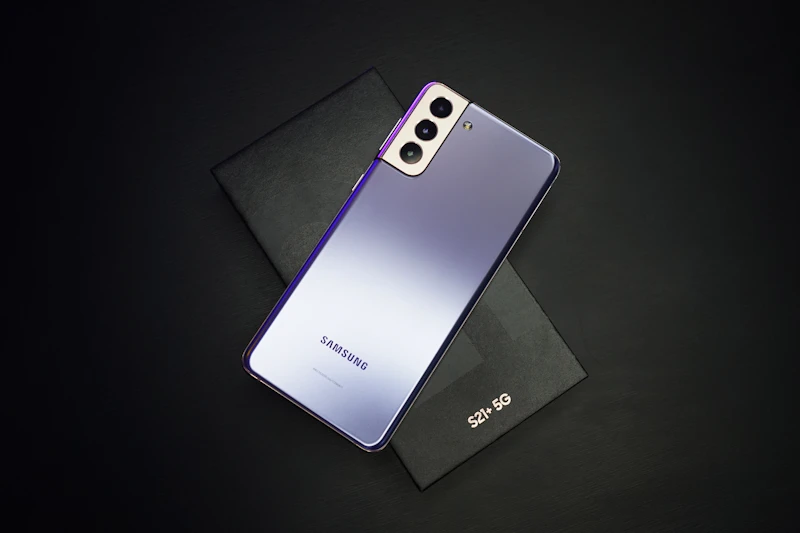 The rumored iPhone Fold is expected to combine a premium titanium frame with a crease-free folding display.
- Target Launch: Leaks point to a launch in the fall of 2026, coinciding with the debut of the iPhone 18 Pro series.
- Code Discoveries: The iOS 27 developer beta contains explicit code strings for tracking device folding state and hinge angle.
- Premium Materials: Apple is rumored to use a lightweight titanium/aluminum chassis and a crease-free folding panel.
- Patent Integration: US Patent 11991901 reveals Apple's research into a self-healing display layer that repairs minor scratches.
- Pricing Strategy: The device is projected to cost upwards of 2,099 dollars, targeting the ultra-premium mobile segment.
The Hardware Horizon: Inside Apple's Foldable Prototypes
Hardware leaks from suppliers in Taiwan and China indicate that Apple has finalized the design direction for its foldable prototype. The device is expected to feature a book-style folding mechanism, similar to the Samsung Galaxy Z Fold. The inner screen is rumored to measure approximately 7.7 inches diagonally, providing a viewing area similar to an iPad mini. The cover screen is expected to be a 5.4-inch display, allowing users to perform standard tasks without unfolding the device. This configuration balance addresses user complaints about the bulkiness of early foldables.
To keep the device light and thin, Apple is reportedly using an aerospace-grade titanium alloy for the chassis frame. This material provides structural rigidity while minimizing weight, which is critical for a device that has two screen panels and a hinge. Some dummy units leaked in early June 2026 suggest that Apple is testing a white colorway, which could be the signature option at launch. The inclusion of premium metals and minimalist color choices matches Apple's design philosophy for its high-end Pro products.
The primary design and aesthetic specifications rumored for the device include:
- Titanium Alloy Frame: An aerospace-grade material chosen to balance structural integrity with a lightweight feel.
- Signature White Colorway: A clean, ceramic-like finish that leaks suggest will be the exclusive launch color.
- Unified Tear-Drop Hinge: A custom mechanical design that allows the display to bend without creating a sharp crease.
A well-known technology analyst commented on Apple's entry strategy, noting that they are following a familiar pattern of waiting for the market to mature before launching a product:
“Apple's late entry into the foldable space is typical of their playbook: let others pioneer the hardware wrinkles, then enter with a polished, crease-free design that commands a massive premium. By utilizing titanium and an advanced hinge, they are positioning the device as a luxury item rather than a tech experiment.”
— Technology Industry Analyst, June 2026 Market Report
In addition to the exterior design, the device is expected to feature a side-mounted fingerprint sensor. Because a foldable device is used in different orientations, putting Touch ID in the power button is more practical than using Face ID. This design choice has been used on the iPad Air and iPad mini, showing that Apple is willing to adapt its biometric options to suit the form factor of the device.
Deciphering the Code: The iOS 27 Foldable Indicators
While hardware leaks provide physical details, the iOS 27 developer beta offers concrete evidence of Apple's software preparation. Developers exploring the beta's system frameworks found several new libraries designed to handle folding displays. The code contains APIs that interact with sensors measuring the angle of the hinge. These sensors allow the software to adjust the user interface based on whether the device is fully open, closed, or partially folded in a laptop-like mode.
The software components discovered in the beta include three key indicators that confirm foldable development:
- Hinge Angle Tracking: Code strings like foldState and mechanicalAngleDegrees allow the operating system to detect the exact position of the screen panels.
- Adaptive Interface APIs: Tools that help developers create layouts that resize dynamically when the user unfolds the screen.
- Full-Page Widget Expansion: New widget behaviors that allow applications like Music and News to expand into multi-pane views on a larger canvas.
These code additions show that Apple is building the software foundation for a foldable device well in advance of a hardware release. This approach gives developers time to optimize their apps, ensuring a smooth software experience when the device is launched.
An iOS software engineer shared their perspective on the code discoveries, explaining that these APIs are too specific to be intended for existing Apple products:
“The presence of direct mechanical hinge angle tracking in the iOS 27 beta leaves no doubt that Apple's hardware team is already testing active prototypes. These code blocks are designed to monitor structural angles in real time, which is only necessary for a folding device with a physical hinge.”
— Senior iOS Developer, WWDC 2026 Forum Post
The code also suggests that Apple is developing multi-window multitasking features for the larger display. Users will be able to run two apps side-by-side and drag content between them, similar to iPadOS. This capability is essential for productivity, helping to justify the premium price of a large-screen folding device.
The Durability Frontier: Self-Healing Screens and Variable Glass
One of the primary challenges for foldable devices has been screen durability. The constant folding and unfolding can cause a visible crease in the center of the display, and flexible screens are susceptible to scratches. Apple has sought to address these issues through research and development, as shown in several patent filings. US Patent 11991901, granted in May 2024, describes a display cover layer that incorporates self-healing material to repair minor damage.
The self-healing technology utilizes a specialized elastomer layer that can fill in small scratches and dents automatically. This process can occur passively over time, or it can be accelerated by applying heat or light. Apple's patent suggests using heating elements within the display stack to stimulate the self-healing layer when the device is plugged in or idle. This feature would represent a significant advancement in durability, addressing a common concern among potential foldable buyers.
Display Durability Note: Apple's patented self-healing display technology uses a flexible elastomer layer that can repair minor scratches and indentations. By integrating thin heating elements and conductive layers, the device can actively restore the surface of the screen, enhancing long-term durability in typical daily use.
In addition to the self-healing layer, Apple is reportedly using variable-thickness glass to reduce the visibility of the crease. The glass is made thinner along the folding axis to allow for flexibility, while the rest of the display remains thicker to provide impact resistance. This combination of variable-thickness glass and a self-healing cover layer shows Apple's focus on structural engineering as it prepares to enter the foldable market.
The design of the hinge is also critical to reducing the crease. Apple is rumored to be testing a teardrop-shaped hinge mechanism that allows the display to bend in a wider radius inside the body. This approach prevents the glass from creasing sharply, resulting in a flatter screen surface when unfolded. The hinge design also seals the device when closed, preventing dust and debris from entering the folding area.
Competitive Landscape: Comparing Premium Flagship Foldables
Apple's entry into the foldable market will place it in direct competition with Samsung and Google, both of which have released multiple generations of folding devices. Samsung's upcoming Galaxy Z Fold 8, expected in July 2026, is rumored to feature a wider design options and a Snapdragon 8 Elite Gen 5 processor. Google's Pixel 10 Pro Fold, released in October 2025, features an 8.0-inch inner display and is powered by the Google Tensor G5 chip. These devices represent the current state of premium foldables.
Apple's strategy appears focused on offering a more refined hardware design and tighter software integration to justify its higher estimated price. While Google offers a larger 8.0-inch screen and Samsung focuses on productivity features, Apple is expected to emphasize the thinness of its titanium frame and the durability of its self-healing display. This approach targets users who are willing to pay a premium for a polished, durable device that fits into the Apple ecosystem.
The table below compares the key specifications of the rumored iPhone Fold with the current flagship foldables from Google and Samsung, highlighting screen sizes, processors, and expected pricing:
| Device Model & Brand | Inner Display Size | Outer Display Size | Processor / Chipset | Market Positioning Status | |
|---|---|---|---|---|---|
| Apple iPhone Fold (Ultra) | 7.7 Inches (Expected) | 5.4 Inches (Expected) | Apple A20 (2nm Node) | ▲ Leading | |
| Google Pixel 10 Pro Fold | 8.0 Inches (OLED) | 6.4 Inches (OLED) | Google Tensor G5 | ▲ Leading | |
| Samsung Galaxy Z Fold 8 | 7.6 Inches (Expected) | 6.3 Inches (Expected) | Snapdragon 8 Elite Gen 5 | ≈ Parity | |
| Samsung Galaxy Z Fold 7 | 7.6 Inches (OLED) | 6.3 Inches (OLED) | Snapdragon 8 Elite Gen 4 | ▼ Behind |
To visualize the inner display sizes of these premium devices, the chart below displays the screen measurements in inches, highlighting how the rumored iPhone Fold fits into the market landscape:
The Silicon Engine: The A20 Processor and Power Efficiency
The rumored iPhone Fold is expected to be powered by Apple's next-generation A20 processor, which is slated to debut in the fall of 2026. This chip is expected to be Apple's first processor manufactured using TSMC's advanced 2-nanometer process. The transition to a 2nm node allows for increased transistor density, which translates into better performance and improved power efficiency. Early estimates suggest the A20 could offer a 10 to 15 percent increase in CPU speeds and up to a 30 percent reduction in power consumption compared to the previous generation.
This improvement in power efficiency is critical for a foldable device. Running two displays, especially a large 7.7-inch inner screen with a high refresh rate, requires significant power. By reducing the power consumption of the processor, Apple can maintain standard battery life without needing a heavy battery pack. This allows the design team to keep the device thin, addressing a key hardware constraint of folding smartphones.
The A20 processor is also rumored to utilize Wafer-Level Multi-Chip Module packaging. This technology allows the CPU, graphics processor, and memory to be integrated closely on a single module, reducing the physical size of the chipset and improving data transfer speeds. This compact layout is beneficial in a foldable device, where space inside the chassis is limited due to the hinge mechanism and dual battery cells.
The primary architectural and performance features of the expected A20 silicon include:
- TSMC N2 Process: The transition to a 2nm node enables higher transistor density and better power efficiency.
- Multi-Chip Packaging: Wafer-Level Multi-Chip Modules integrate components closely to save space and speed up data transfer.
- Power Reduction: A rumored 30 percent efficiency gain helps offset the power demands of the dual-display configuration.
These hardware advancements show that Apple is leveraging its silicon design capabilities to support its entry into the foldable market. The efficiency of the A20 chip will be a key factor in the device's performance and design.
Conclusion: The Premium Price of Apple's Foldable Future
Apple's expected entry into the foldable market with a titanium device powered by the A20 chip represents a major step for the company. By waiting for the technology to mature and addressing common issues like the screen crease and durability, Apple aims to offer a refined product that matches the standards of its Pro lineup. However, this focus on premium materials and custom engineering will result in a high retail price, with estimates starting at 2,099 dollars.
In conclusion, the success of the iPhone Fold will depend on whether consumers are willing to pay this premium for a folding device. With Google and Samsung already offering established alternatives, Apple will need to demonstrate that its integration of hardware and software provides a superior experience. As the fall 2026 release window approaches, the industry will watch to see if Apple's entry expands the foldable market or remains a niche offering for enthusiast users.
Sources and References
- PCMag - Coverage of the iOS 27 developer beta and foldable code indicators: pcmag.com
- MacRumors - Reports on Apple's folding prototypes and supplier leaks: macrumors.com
- USPTO - Patent filings for self-healing displays (US Patent 11991901): uspto.gov
- TSMC - Technical updates on N2 2-nanometer semiconductor manufacturing: tsmc.com
Post a Comment