Apple officially unveiled its next-generation operating system, iOS 27, at the Worldwide Developers Conference on June 8, 2026. The update introduces a rebuilt Siri AI powered by advanced machine learning models, refined Liquid Glass design elements, and significant developer API deprecations.
On Monday, June 8, 2026, Apple hosted its annual Worldwide Developers Conference keynote, introducing iOS 27 as the primary software platform for compatible iPhone models. The release, which is currently available as a developer preview, focuses heavily on the integration of deep artificial intelligence capabilities, structured design changes, and performance optimizations. By introducing Siri AI, Apple aims to deliver personalized context awareness and multi-step app controls directly within the operating system.
Beyond user-facing updates, iOS 27 represents a significant transition for mobile software developers. Apple announced the deprecation of legacy frameworks in favor of on-device generation tools, requiring app creators to update their codebases before the public release. The rollout will proceed through developer and public testing phases over the summer, culminating in a general release scheduled for September 2026 alongside new iPhone hardware.
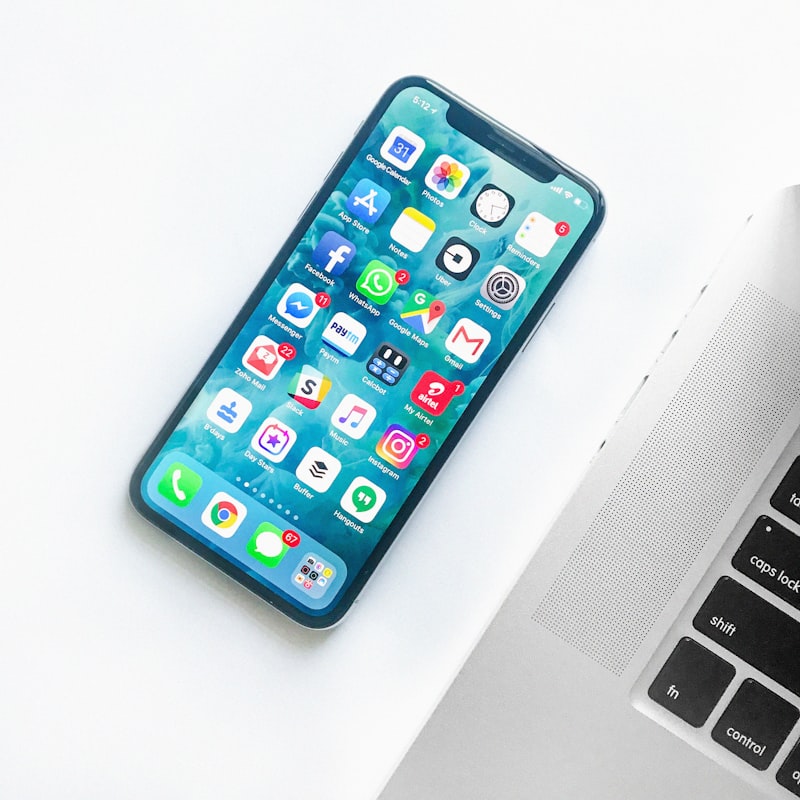 iOS 27 introduces significant user interface customization options and performance upgrades to compatible iPhone models starting from the iPhone 11 series.
- Siri AI Overhaul: Siri has been rebuilt with personal context understanding, on-screen awareness, and a dedicated interface integrated into the Dynamic Island.
- Performance Upgrades: Apple reports that app launch speeds have been increased by 30%, while AirDrop file transfer speeds are up to 80% faster under iOS 27.
- Liquid Glass UI: The interface introduces design refinements, including a transparency slider in Settings to adjust system opacity.
- Developer Deprecations: The legacy ImageCreator API has been retired, requiring developers to transition to the new on-device Image Playground framework.
- Device Compatibility: iOS 27 supports iPhone 11 and later models, though advanced Apple Intelligence features require an iPhone 15 Pro or newer.
Siri Reborn: On-Screen Awareness and Gemini-Powered Context
The centerpiece of the iOS 27 release is the complete redesign of Apple's assistant, now branded as Siri AI. Unlike previous versions, which operated primarily on rule-based intent parsing, the new assistant is built on a custom foundation model developed to support complex, multi-step queries. The interface has also shifted, moving away from the circular icon at the bottom of the screen to an integrated presence in the Dynamic Island.
A key capability introduced in Siri AI is on-screen awareness. The assistant can analyze the active content displayed on the screen, allowing users to ask questions or execute commands based on what they are viewing. For example, if a user receives a message containing flight details, they can instruct the assistant to add the event to their calendar and retrieve weather forecasts for the destination in a single command, without manual copy-paste operations.
To support advanced conversational capabilities, Apple has integrated Google's Gemini models into the Siri AI framework. This collaboration allows the assistant to handle open-ended questions, draft detailed text, and edit images using generative tools. The system is designed to route complex queries to the external model with user permission, while maintaining on-device processing for routine actions to protect personal privacy.
The core interactive modalities enabled by Siri AI's new foundation model architecture include:
- On-Screen Awareness: Rebuilding the interface to dynamically parse content active on the screen for context-aware actions.
- Gemini Integration: Routing complex, generative writing or image editing tasks to external models with explicit user consent.
- Conversational Memory: Maintaining query context across multiple turns of voice dialogue without losing user intent.
Craig Federighi, Apple's Senior Vice President of Software Engineering, emphasized the importance of this architectural shift during his keynote presentation:
“Siri AI represents the beginning of a new era for our software platforms. By combining on-device personal context with advanced foundation models, we are delivering an assistant that understands not just what you say, but what you need, while keeping your personal data completely secure.”
— Craig Federighi, WWDC Keynote Address, June 2026
The update also improves Siri's ability to maintain context across conversational turns. Users can speak naturally, correcting themselves mid-sentence or referring to previous statements without resetting the assistant's memory. This conversational flexibility represents a significant improvement over previous versions, which often struggled to follow shifts in user input during prolonged interactions.
Additionally, Siri AI can perform actions across third-party applications using updated App Intents. Developers can define specific parameters for their apps, allowing the assistant to retrieve information or execute tasks within the software. This integration extends Siri's reach beyond native Apple services, creating a more unified user experience across the device.
Liquid Glass Refinements: UI Customization and Transparency Sliders
Following the introduction of the Liquid Glass design language in previous software releases, iOS 27 introduces refinements designed to improve usability and personalization. The updated interface features sharper icon definitions, revised font hierarchies, and updated animations across the Home and Lock screens. These adjustments aim to balance visual depth with clean accessibility.
A notable addition is the transparency slider located in the Display & Brightness section of the Settings application. This control allows users to adjust the opacity of system elements, including the Control Center, notification banners, and app folders. By adjusting this slider, users can optimize the contrast between background wallpapers and text overlays, addressing legibility concerns raised by accessibility advocates.
The update also introduces customization options for system sound profiles. In iOS 27, users can set individual volume levels for specific categories of alerts, including alarms, ringtones, and notification sounds. This separation replaces the unified volume slider, allowing users to customize their auditory environment based on personal preferences and daily routines.
The Control Center has been reorganized, featuring a modular grid layout that supports resizable widgets from both native and third-party applications. Users can create dedicated pages for specific tasks, such as smart home management, media playback controls, or connectivity toggles. This layout optimization reduces the steps required to access frequently used settings.
The visual refinements in the Liquid Glass interface can be summarized by three main areas of change:
- System Opacity Controls: A new transparency slider in Settings allows users to customize the background blur of notification cards and folders.
- Auditory Separation: Individual volume controls for alarms, ringtones, and system notifications replace the old global slider.
- Modular Control Center: A resizable grid layout that supports third-party widgets and custom page configurations.
Under the Hood: App Launch Optimization and AirDrop Enhancements
In addition to visual and AI updates, iOS 27 includes performance optimizations designed to improve the daily user experience. Apple reported that application launch speeds have been increased by up to 30% compared to the previous software version. This speedup is achieved through improved compiler efficiency, optimized memory management, and pre-loading algorithms that anticipate user behavior.
The performance improvements are particularly noticeable on older compatible hardware. By refining how the system handles background tasks and allocates processor cycles, iOS 27 reduces stuttering and input lag when multitasking. This optimization helps extend the useful life of older devices, ensuring they remain responsive even as applications grow more complex.
Wireless connectivity also receives an upgrade under the new software. AirDrop file transfer speeds have been increased by up to 80% through the use of updated ultra-wideband protocols and optimized peer-to-peer Wi-Fi channels. This bandwidth expansion allows users to share large files, such as high-resolution videos and photo albums, in less time than previously possible.
The network transition framework has also been rearchitected to provide smoother handoffs between cellular connections and Wi-Fi networks. In previous versions, switching between connection types could cause brief interruptions in active data streams, resulting in dropped calls or paused media playback. Under iOS 27, the system maintains dual active paths during transitions, ensuring uninterrupted connectivity.
Additionally, the Photos application features updated search capabilities. The system indexes images locally using the device's neural engine, allowing users to find specific photos based on detailed descriptive queries. This local indexing runs during idle periods when the device is connected to power, protecting user privacy by keeping the search database entirely on the device.
To evaluate these performance improvements, developers can monitor system resource allocation using updated performance tools. Preliminary reports from early testers suggest that the CPU utilization during background tasks has been reduced by 15%, contributing to improved thermal performance and battery efficiency during typical daily usage.
API Transitions: Migrating from ImageCreator to Image Playground
For application developers, the most significant change in iOS 27 is the deprecation of legacy image generation frameworks. Apple officially announced the retirement of the ImageCreator class, which had been used to handle basic graphic generation tasks. Developers must migrate their software to the new Image Playground sheet to maintain compatibility with the updated operating system.
The new framework provides access to on-device generative models, allowing applications to offer image creation and editing features directly within their user interfaces. The Image Playground sheet handles model execution, memory allocation, and content filtering, reducing the complexity of integrating AI capabilities into third-party applications.
The deprecation of the legacy class highlights Apple's shift toward specialized, hardware-accelerated APIs. The company stated that the ImageCreator framework lacks the optimizations required to run efficiently on modern neural engines, leading to higher battery consumption and slower processing times. By requiring the transition to Image Playground, Apple aims to ensure a consistent user experience across all applications.
A mobile software architect commented on the implications of this API retirement for third-party developers:
“The deprecation of ImageCreator forces a significant update for any app utilizing custom graphic generation. Migrating to Image Playground requires rewriting our image handling controllers, but the payoff is access to optimized, on-device models that run faster and consume less power.”
— Senior iOS Developer, App Strategy Group, June 2026
Developer Migration Advisory: App developers must replace all instances of the legacy ImageCreator class with the updated Image Playground framework. The legacy API will remain functional during the beta testing cycle but will be disabled in the final public release of iOS 27, causing un-updated applications to crash when attempting graphic generation tasks.
Rollout Roadmap: Developer Betas, Public Testing, and Fall Release
The rollout of iOS 27 follows Apple's established release schedule. The first developer beta was made available immediately following the WWDC keynote on June 8, 2026. This initial release is intended to allow developers to test their applications, identify compatibility issues, and integrate the new APIs introduced in the software update.
Following the developer testing phase, Apple plans to release the first public beta in July 2026. The public beta program allows non-developers to install the software on their personal devices and provide feedback on performance and stability. This broader testing pool helps Apple identify edge-case bugs that may not have been detected during internal testing or early developer builds.
The final, stable public release is expected to launch in September 2026. This release typically occurs alongside the announcement of the new iPhone hardware line, which will ship with iOS 27 pre-installed. Un-updated devices will receive a system notification prompting them to download the update over-the-air once the rollout commences.
A comparison of the historical and current iOS release timelines shows the consistency of Apple's software launch cycle over the past few years:
| iOS Software Version | Developer Beta Date | Public Beta Date | Public Release Date | Siri Intelligence Level |
|---|---|---|---|---|
| iOS 27 (Current Cycle) | June 8, 2026 | July 2026 (Expected) | September 2026 (Expected) | Siri AI with Gemini Integration ▲ Leading |
| iOS 26 (Previous Cycle) | June 9, 2025 | July 2025 | September 15, 2025 | Basic Apple Intelligence ≈ Parity |
| iOS 18 (Historical Baseline) | June 10, 2024 | July 2024 | September 16, 2024 | Traditional Siri Engine ▼ Behind |
To visualize the system performance enhancements across recent iOS releases, the chart below displays the relative app launch speed factor (higher is better) and the AirDrop transfer throughput (in megabytes per second) across the last three software generations, illustrating the gains in system efficiency:
The progression of these metrics shows the focus on software optimization in recent years. While hardware improvements continue to provide incremental gains, software efficiency plays an increasingly important role in the overall user experience. By focusing on compiler optimizations and wireless protocols, iOS 27 delivers performance gains that are visible during daily usage.
Additionally, developers should prepare for the transition by reviewing the updated API documentation and ensuring their apps are optimized for the new memory management guidelines. The increased focus on local machine learning models requires careful management of system resources to prevent background applications from being terminated due to memory pressure.
Supported Devices and Compatibility Guidelines
The installation of iOS 27 requires compatible hardware. While the software supports a wide range of devices, the availability of specific features is determined by the processing capabilities of each model:
- Core Compatibility: Supported on all devices from the iPhone 11 series and later, including the iPhone SE (second and third generations), enabling basic system features and design updates.
- Apple Intelligence Requirements: Advanced Siri AI and on-device generative tools require an iPhone 15 Pro or newer, which features the necessary neural processing units.
- Ultra-Wideband Features: High-speed AirDrop and local device tracking capabilities require hardware containing Apple's updated wireless positioning chips.
Conclusion: Apple's AI-First Operating System Paradigm
The unveiling of iOS 27 at WWDC 2026 represents a shift in Apple's software strategy, positioning artificial intelligence as the central element of the operating system. By rebuilding Siri AI to support personal context and integrating external models, the company aims to deliver a more responsive and helpful user experience. This focus on local, secure processing aligns with Apple's established emphasis on user privacy.
For the broader mobile industry, the release highlights the growing importance of software-level integration for machine learning features. As hardware gains become more incremental, operating system capabilities and ecosystem integration serve as primary points of differentiation. The success of iOS 27 will depend on how effectively these new AI tools improve daily tasks for users once the software is widely deployed.
In conclusion, iOS 27 delivers significant updates across user interface design, system performance, and developer frameworks. While the final public release is scheduled for September, the developer preview provides an early look at the features and optimizations that will shape the iPhone experience in the coming year. As the testing cycle proceeds, feedback from developers and public beta testers will help Apple refine the software before its general release.
Sources and References
- Apple Inc. - WWDC 2026 Keynote Presentation and Software Developer Documentation: developer.apple.com
- Macworld - iOS 27 feature analysis and compatibility matrices: macworld.com
- Forbes - Apple iOS 27 release schedule and beta updates: forbes.com
- 9to5Mac - Detailed reporting on Siri AI changes and Dynamic Island integration: 9to5mac.com


0 Comments