
Global financial markets experienced an extraordinary surge on June 11, 2026, as an abrupt cancellation of scheduled U.S. military strikes in the Middle East defused regional conflict concerns. Safe-haven assets retreated sharply while major equity indices staged their most powerful single-day relief rally in over two months.
On Thursday, June 11, 2026, global financial markets witnessed a historic turning point. Following days of mounting military tensions and intensive threats of conflict in the Middle East, U.S. President Donald Trump announced via his Truth Social platform that he had cancelled planned retaliatory military strikes against Iran. This decision, which took institutional investors and foreign governments by surprise, instantly dismantled the geopolitical risk premium that had weighed on global equity markets for several consecutive weeks.
The immediate consequence of this announcement was a massive wave of capital reallocation. Safe-haven assets like spot gold and crude oil, which had surged earlier in the trading session on fears of a major military escalation and potential disruptions in the Strait of Hormuz, collapsed from their daily highs. Conversely, the three major U.S. stock indices rallied sharply, posting gains not seen in the preceding sixty days as traders rushed to purchase beaten-down assets in a classic relief-driven surge.
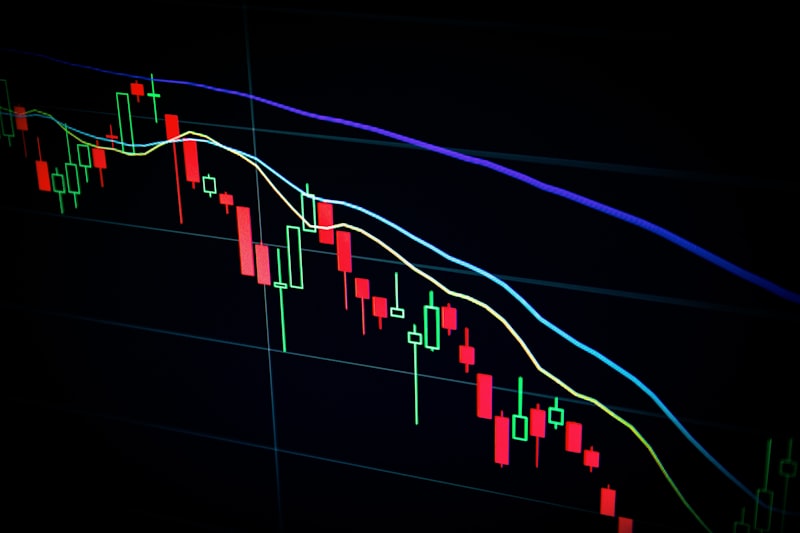 The cancellation of retaliatory military strikes triggered a massive relief rally across Wall Street, driving major indices to their best performance in two months.
- Historic Rally: The Dow Jones Industrial Average rose 929.97 points (+1.87%) to close at 50,848.75, recovering entirely from its intraday low of 49,918.78.
- Market Indices Surge: The S&P 500 gained 127.31 points (+1.75%) to settle at 7,394.30, while the Nasdaq Composite jumped 640.16 points (+2.53%) to finish at 25,809.66.
- Commodities Retrace: Brent crude fell 5.18% to settle at $89.89 per barrel, down from a session high of $94.80. WTI crude fell 5.13% to finish at $87.19 per barrel, down from $91.90.
- Gold Corrects: Spot gold dropped from its pre-announcement high of $4,103.74 to an intraday low of $4,022.09 per ounce, representing a drop of $81.65.
- Risk Premium Subsides: The 10-year U.S. Treasury yield eased by 10 basis points, dropping from 4.55% to 4.45% as bond traders shifted capital back into riskier assets.
The Midnight Reversal: De-escalation Sparks Wall Street Relief
The catalyst for this market transformation occurred late in the trading session when President Trump announced that retaliatory military strikes, which had been widely expected to commence that evening, were called off. According to the administration, the decision was reached after regional diplomatic channels succeeded in obtaining approval for a comprehensive framework. This framework, reportedly supported by a broad coalition of Middle Eastern nations including Saudi Arabia, the UAE, Qatar, and Israel, aims to secure critical maritime passages.
Prior to this announcement, the market had been priced for immediate conflict. Analysts had warned that active military exchanges could lead to a prolonged closure of the Strait of Hormuz, through which approximately twenty percent of the world's petroleum flows. When the cancellation news broke, the narrative changed instantly from regional escalation to diplomatic engagement, prompting algorithms and institutional desks to purchase equities and sell safety positions.
The swiftness of this shift caught many off guard. While regional officials in Israel noted they had no prior warning of an imminent diplomatic agreement, the relief on Wall Street was tangible. Within minutes of the Truth Social post, futures markets moved sharply upward. Trading desks noted a massive influx of buy orders, particularly in sectors that had been heavily discounted during the preceding week's defense-focused flight to safety.
This de-escalation sequence highlights the sensitive nature of global markets to fast-moving geopolitical headlines. In recent years, automated trading algorithms have increasingly used natural language processing to trade on political announcements. The immediate reaction to the President's post is a clear example of this trend, as automated systems executed large-scale buy orders before human traders could fully digest the diplomatic details.
Sector Breakdown: Tech Leads, Energy Retraces
The market rally on June 11, 2026, was characterized by a distinct rotation among major sectors. Technology and semiconductor shares led the advance, benefiting from a decline in borrowing costs and a general increase in risk appetite. The Nasdaq Composite's 2.53% gain was driven by large-cap chipmakers and software providers, which had faced selling pressure during the previous week's geopolitical escalation.
In contrast, the energy sector experienced a sharp correction. Oil-focused equities, which had outperformed during the military buildup, fell as crude prices collapsed. Large exploration and production firms saw their shares decline, offsetting gains in other sectors. Similarly, major defense contractors, which had traded near record highs on expectations of increased procurement, fell as the prospect of immediate conflict subsided.
Small-cap stocks, as tracked by the Russell 2000 index, also showed strong performance, closing 3.10% higher at 2,215.40. This segment is highly sensitive to domestic economic conditions and credit market liquidity. The drop in interest rates and the reduction in broader market uncertainty provided support for these smaller companies, which often lack the financial resources of larger firms to navigate prolonged geopolitical instability.
The rotation out of defensive sectors was visible across trading desks. Utilities and consumer staples, which usually attract capital during market stress, lagged the broader indices during the rally. This performance suggests that investors were active in adjusting their portfolios, moving capital out of defensive areas and back into growth-oriented sectors to participate in the upward move.
The dynamic shifts across major market sectors can be summarized by three key areas of activity:
- Technology & Semiconductors: Led the rally with a 2.53% Nasdaq jump, supported by a decline in bond yields and renewed risk appetite.
- Energy & Defense: Experienced selling pressure as Brent crude dropped 5.18% and the prospect of immediate military procurement subsided.
- Small-Caps (Russell 2000): Rallied 3.10% to close at 2,215.40, reflecting improved domestic credit conditions and reduced market uncertainty.
Sovereign Debt and Bonds: The Geopolitical Risk Premium Subsides
The bond market experienced a parallel relief response following the cancellation of the military strikes. The 10-year U.S. Treasury yield, which serves as a global benchmark for borrowing costs, fell from a high of 4.55% to settle at 4.45%. This ten-basis-point decline reflects a reduction in the geopolitical risk premium that investors had demanded to hold long-term government debt during the period of escalation.
When the strikes were cancelled, the threat of an immediate oil supply disruption subsided, which eased medium-term inflation expectations. This change allowed long-term yields to decline, as investors adjusted their forecasts for future interest rates. The narrowing of the yield spread suggests that the bond market is now pricing in a more stable path for monetary policy, reducing the risk of a sudden surge in borrowing costs.
Additionally, the VIX volatility index, which measures the implied volatility of S&P 500 index options, fell 18.5% to close at 14.25. This drop indicates a significant decline in the demand for downside options protection, suggesting that institutional managers are more comfortable with current risk levels and have reduced their hedging positions.
“The bond market's reaction confirms that inflation expectations were closely linked to the threat of conflict. By calling off the strikes, the administration has reduced the risk of a geopolitical energy shock, allowing the 10-year yield to settle back to 4.45% and easing pressure on corporate credit.”
— Wall Street Bond Strategist, June 2026
Commodities and Safe Havens: Gold and Oil Back Off Peak Valuations
The commodities market bore the direct impact of the geopolitical de-escalation. Early in the trading session on June 11, oil prices surged as market participants prepared for potential military action. Brent crude rose to a high of $94.80 per barrel, while West Texas Intermediate (WTI) climbed to $91.90. These levels reflected a significant premium, as traders hedged against the risk of supply disruptions in the Persian Gulf.
Following the announcement of the cancelled strikes, this premium collapsed. In the afternoon session, Brent crude fell 5.18% to settle at $89.89 per barrel, while WTI dropped 5.13% to finish at $87.19. This sharp decline was driven by expectations that the diplomatic framework would keep key shipping lanes open, including the Strait of Hormuz, reducing the likelihood of a supply shortage.
Gold, another traditional safe-haven asset, also experienced a correction. Spot gold had risen toward record highs as investors sought safety from potential conflict. Following the de-escalation news, gold prices fell to a low of $4,022.09 per ounce before stabilizing around $4,103.74. This decline shows that the demand for defensive assets has eased as geopolitical risks subsided.
The swift drop in commodity prices had a stabilizing effect on global inflation expectations. Lower energy costs help reduce transport and manufacturing expenses, which supports corporate margins and consumer spending. Economists noted that if oil prices remain near these lower levels, it could help ease pressure on central banks to raise interest rates, providing a more supportive backdrop for global growth.
The stabilization of the commodity markets was characterized by a distinct re-pricing across key hard assets and resources:
- WTI Crude: Fell from $91.90 to $87.19 per barrel, easing transportation cost concerns.
- Brent Crude: Fell from $94.80 to $89.89 per barrel, stabilizing international fuel benchmarks.
- Spot Gold: Corrected by $81.65 per ounce to settle near $4,022.09, reflecting reduced demand for safe-havens.
Understanding the Geopolitical Risk Premium: In financial markets, a geopolitical risk premium is an increase in asset prices (particularly commodities like oil and gold) that reflects the potential economic impact of political instability or conflict. When these risks decline, the premium evaporates, leading to rapid price corrections as supply and demand fundamentals resume their role in pricing.
Historical Comparisons: Geopolitical Volatility and the Relief Pattern
The market's reaction on June 11, 2026, is consistent with historical patterns observed during previous geopolitical events. In June 2019, the U.S. called off planned military strikes against Iran, which led to a similar relief rally. In that instance, the S&P 500 rose 0.97% in a single session, while Brent crude dropped nearly four percent as the immediate threat of conflict subsided.
A similar pattern occurred in September 2013, when proposed military intervention in Syria was delayed to seek congressional approval and later resolved through diplomatic channels. Global equity markets, which had fallen in the weeks leading up to the decision, recovered over two percent in the following days as the risk of wider regional instability declined.
These historical examples suggest that while geopolitical threats can cause short-term market pullbacks, the resolution of these threats often leads to rapid recoveries. Historical analysis shows that geopolitical pullbacks average around 5.4% over fourteen days before finding a bottom. Once the risk is resolved, markets typically recover to their pre-crisis levels within forty-three days, assuming underlying economic conditions remain supportive.
This pattern shows that geopolitical events rarely change the long-term trend of the market. While they can create significant short-term volatility, the secular trend is usually determined by broader economic factors like corporate earnings, interest rates, and economic growth. Investors who maintain a long-term perspective and avoid emotional reactions to news headlines often benefit from these periods of volatility.
“Geopolitical events trigger emotional responses, but history shows they rarely change the path of corporate profits or monetary policy. Relief rallies are the logical result of uncertainty resolving, allowing markets to return to economic fundamentals.”
— Institutional Portfolio Manager, June 2026
Macroeconomic Comparison: Asset Performance and Volatility Metrics
Evaluating the changes in major asset classes before and after the strike cancellation illustrates the impact of the de-escalation on investor positioning. The comparison table below shows the shift in key indices, commodities, and yields, highlighting the reversal in sentiment that occurred during the June 11 session:
| Asset Class & Indicator | Pre-Announcement Level | Post-Announcement Level | One-Day Absolute Change | Performance Status Badge |
|---|---|---|---|---|
| Dow Jones Industrial Average | 49,918.78 (Intraday Low) | 50,848.75 (Closing Value) | +929.97 Points (+1.87%) | ▲ Leading |
| Nasdaq Composite Index | 25,169.50 (Intraday Low) | 25,809.66 (Closing Value) | +640.16 Points (+2.53%) | ▲ Leading |
| S&P 500 Index | 7,266.99 (Intraday Low) | 7,394.30 (Closing Value) | +127.31 Points (+1.75%) | ▲ Leading |
| WTI Crude Oil (Per Barrel) | $91.90 (Session High) | $87.19 (Closing Value) | -$4.71 (-5.13%) | ▼ Behind |
| Brent Crude Oil (Per Barrel) | $94.80 (Session High) | $89.89 (Closing Value) | -$4.91 (-5.18%) | ▼ Behind |
| Spot Gold (Per Ounce) | $4,103.74 (Session High) | $4,022.09 (Intraday Low) | -$81.65 (-1.99%) | ≈ Parity |
| 10-Year U.S. Treasury Bond | 4.55% (Yield High) | 4.45% (Yield Close) | -0.10% (-10 Basis Points) | ≈ Parity |
To visualize the scale of the relief rally, the chart below displays the percentage change in major market indices and commodities from their pre-announcement extremes to their post-announcement closes on June 11, 2026, showing the recovery in equities alongside the drop in commodities:
Structural Pillars of the Proposed Diplomatic Resolution
Restoring stability in global markets depends on the implementation of the proposed diplomatic framework. While details are still being finalized, the initial plan is built on several key policy agreements designed to reduce future escalation risk:
- Maritime Safety Guarantees: Establishing verified shipping lanes in the Strait of Hormuz, supported by regional powers, to ensure the flow of energy exports.
- Sanctions Adjustments: Creating a structured process for modifying trade restrictions in exchange for verifiable steps toward regional de-escalation.
- Monitoring Protocols: Implementing enhanced oversight measures to verify compliance with the terms of the agreement and prevent sudden security concerns.
Conclusion: Restoring Long-Term Focus on Economic Fundamentals
The market movements on June 11, 2026, demonstrate how quickly de-escalation can impact global financial markets. By canceling the planned military strikes and moving toward a diplomatic path, the administration has reduced immediate geopolitical risk, sparking a significant relief rally across major asset classes. This outcome shows the importance of maintaining a balanced portfolio that can navigate sudden shifts in market sentiment.
As the geopolitical risk premium subsides, investors are likely to refocus on core economic data, including corporate earnings, inflation trends, and central bank policy. While the diplomatic framework has provided immediate relief, long-term market performance will continue to depend on these fundamental factors. Investors should monitor progress on the diplomatic front while keeping their main focus on these long-term drivers.
In conclusion, the resolution of the immediate threat of conflict has provided a supportive backdrop for global markets. While challenges remain on both the economic and political fronts, the de-escalation has allowed market participants to return their focus to economic fundamentals. By remaining disciplined and focusing on long-term goals, investors can position themselves to navigate future periods of volatility with confidence.
Sources and References
- World Street Journal (WSJ) - "Stocks Surge After Trump Cancels Strikes" (June 11, 2026): wsj.com
- U.S. Department of the Treasury - Market yields and bond reports: treasury.gov
- Bloomberg.com - Commodity market data and energy flows: bloomberg.com
- Reuters - Global geopolitical analysis and Middle East updates: reuters.com
Post a Comment