
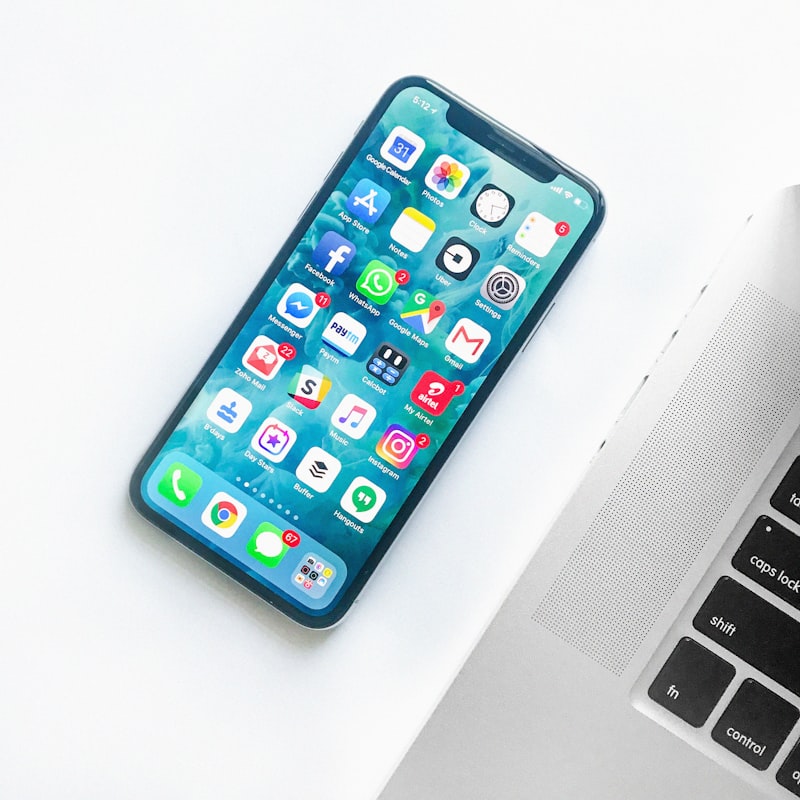
An exhaustive, data-first examination of T-Mobile's Apple iPhone 17 promotional campaigns, detailing installment mechanics, hidden fee liabilities, and competitive comparison benchmarks.
The launch of the Apple iPhone 17 series has intensified the competition among major U.S. wireless carriers, leading to aggressive promotions designed to attract new subscribers. In June 2026, T-Mobile announced a prominent offer allowing customers to obtain the standard iPhone 17 "on us" (free). While the prospect of a free smartphone is appealing, these carrier deals require careful consideration of the associated terms. By checking the requirements and hidden costs, consumers can determine if switching carriers or upgrading is a sound financial decision.
This promotional offer is part of a broader marketing effort by T-Mobile to acquire new lines of service in a saturated market. To qualify, customers must meet specific eligibility requirements, which often include switching carriers and activating a premium unlimited postpaid plan. While these promotions can provide substantial savings, they also lock customers into long-term billing agreements. This review provides an analysis of T-Mobile's iPhone 17 promotion, comparing it to rival offerings and explaining the mechanics of the 24-month credit system.
 U.S. carriers are offering various promotions on the Apple iPhone 17 series, with T-Mobile leading the industry with its 24-month installment credit offers.
- Installment Credit System: The "free" iPhone 17 is financed over 24 months, with monthly bill credits offsetting the device payment.
- Upfront Fee Liabilities: Customers must pay the state sales tax on the full retail price upfront, plus a $35 Device Connection Charge (DCC).
- Plan Constraints: The maximum promotional credits require subscribing to T-Mobile's premium unlimited postpaid plans, such as the Go5G Next tier.
- Account Promotion Limit: T-Mobile has introduced a limit of two device promotions per account, affecting multi-line family upgrade strategies.
- Early Cancellation Risks: Canceling service early terminates the remaining bill credits, making the customer responsible for the outstanding balance.
Decoding the Free Offer: How the 24-Month Installment System Works
The concept of a "free" smartphone from a wireless carrier is often misunderstood. Rather than receiving a device without charge, customers sign a 24-month financing agreement. The retail price of the iPhone 17 is divided into 24 equal monthly payments, which appear on the customer's bill. To make the device free, T-Mobile applies a monthly Recurring Device Credit (RDC) that offsets the device charge, resulting in a net cost of $0 for the phone each month.
This credit structure is designed to encourage customer retention. By spreading the credits over two years, T-Mobile ensures that the customer remains with the carrier. If a customer decides to cancel their service or transfer their number to another provider before the 24-month period ends, the monthly credits stop. The customer is then responsible for paying the remaining balance on the phone immediately, which can result in an unexpected expense.
Under this 24-month Equipment Installment Plan (EIP), the total retail price of the standard Apple iPhone 17 (valued at $830) is divided into 24 monthly installments of approximately $34.58. T-Mobile then applies a corresponding credit of $34.58 per month to the account, which effectively zeros out the balance. However, if the account owner decides to upgrade to the iPhone 17 Pro (valued at $1,000) or iPhone 17 Pro Max (valued at $1,200), the monthly promo credit remains capped at $34.58. The user must then pay the remaining difference, which translates to $7.08 per month for the Pro or $15.42 per month for the Pro Max over the two-year contract term.
To successfully unlock the promotional credits, customers must complete the following steps:
- Port in a Number: Transfer an active mobile number from a competitor to T-Mobile.
- Activate a Premium Plan: Subscribe to a qualifying postpaid plan, such as Go5G Next or Experience Beyond.
- Financing Agreement: Sign the 24-month Equipment Installment Plan (EIP) for the iPhone 17.
- Maintain Active Service: Keep the line active and in good standing for the full 24-month term.
Upfront and Hidden Fees: The Real Cost of a "Free" Phone
While the monthly device charge is offset by credits, obtaining a "free" iPhone 17 still requires some upfront payments. T-Mobile requires customers to pay the sales tax on the full retail price of the device at the time of purchase, rather than taxing the post-credit amount. Depending on local tax rates, this upfront cost can range from $50 to $80. Additionally, customers must pay a one-time Device Connection Charge (DCC) of $35 per line, which covers activation and setup services.
The DCC is a standard charge that applies to all new lines and upgrades. For purchases made directly through T-Mobile, this fee is paid at the point of sale. However, for orders placed through Apple's retail channels where the fee cannot be charged upfront, the $35 charge is billed directly to the customer's T-Mobile account. Consumer advocates advise customers to factor these upfront costs and fees into their overall budget when comparing promotions:
"It is important to remember that 'free' carrier promotions are rarely without cost. Between upfront sales taxes, device connection charges, and the requirement to maintain expensive premium plans, consumers should calculate the total cost over the contract term rather than focusing only on the phone's price tag."
— Consumer Advocacy Group Statement, June 2026
Another risk is the early payoff policy. If a customer pays off the remaining balance on their installment plan early—perhaps to unlock the phone for international travel—the monthly credits may continue, but they are applied as general account credits rather than device offsets. If the service line is cancelled, all remaining credits are lost, and the outstanding balance must be paid immediately. This policy limits the customer's flexibility to change providers or plans.
Plan Constraints: T-Mobile's Premium Postpaid Requirements
To receive the maximum promotional value for the iPhone 17, T-Mobile requires customers to subscribe to its premium postpaid plans. Tiers like Go5G Next or the newer Experience Beyond plan offer features like international roaming and high-speed data, but they also carry higher monthly service fees. Subscribing to these premium plans can cost $10 to $20 more per month than standard unlimited options, which can offset the savings from the free phone over 24 months.
The Two-Promotion Account Limit Policy: T-Mobile enforces a strict limit of two device promotions per account. This policy restricts the number of discounted or free devices a family can claim simultaneously on a single account. For families with four or more lines, only two lines can receive promotional credits, meaning that remaining lines must pay full retail price or wait for future promotion windows to upgrade their phones.
To understand the core parameters of the Device Connection Charge (DCC) policy, the key rules include:
- Standard Charge: A one-time $35 fee applied to all new line activations and device upgrades.
- Billing Integration: Billed upfront for direct sales, or added to the next monthly bill for third-party channels like Apple.
- Non-Refundable: The DCC is generally non-refundable, even if the device is returned within the trial period.
Carrier Showdown: T-Mobile vs. Verizon vs. AT&T
When evaluating T-Mobile's offer, it is useful to compare it to the promotions available from Verizon and AT&T. While all three carriers offer "free" iPhone 17 options, they use different contract structures and terms. The most significant difference is the contract term duration. T-Mobile applies promotional credits over a 24-month period, whereas Verizon and AT&T use a 36-month term for their device financing agreements.
This difference in contract length affects the total cost of ownership. T-Mobile's 24-month term allows customers to upgrade or switch carriers a year earlier than they could with Verizon or AT&T. This shorter term provides more flexibility and reduces the time a customer is locked into a specific plan. However, Verizon's promotions often do not require a trade-in for new lines and frequently include bundle offers for accessories or services, which can add value for some users.
Reflecting on this competitive landscape, wireless industry analysts have noted the shift in promotion terms:
"T-Mobile's decision to maintain a 24-month promotional structure provides a competitive advantage over Verizon and AT&T's 36-month terms. This shorter commitment appeals to tech-focused consumers who want to upgrade their devices more frequently, even if the monthly service plans carry premium prices."
— Wireless Industry Analyst, June 2026
AT&T's promotion structure requires customers to remain on a qualifying unlimited plan for 36 months to receive the full credit value. While AT&T's monthly plan rates can be slightly lower than T-Mobile's premium tiers, the longer contract duration increases the total service cost over the term of the agreement. This trade-off between monthly rates and contract length is a key consideration for consumers.
Device Lineup: Navigating Eligible iPhone 17 Models
The Apple iPhone 17 lineup in June 2026 includes several models designed for different budgets and preferences. The standard iPhone 17 and the budget-friendly iPhone 17e are the models most frequently offered for free without a trade-in. The iPhone 17 Air, known for its thin design, and the premium iPhone 17 Pro and Pro Max models are also eligible for promotions, but they usually require a trade-in or an upfront payment to cover the price difference.
The complete lineup of eligible iPhone 17 models includes the following devices:
- iPhone 17e: The entry-level model, often offered for free on most postpaid plans without requiring a device trade-in.
- iPhone 17: The standard model, featuring a balance of performance and battery life, free with a new line or port-in.
- iPhone 17 Air: A slim model that may require a trade-in or small monthly payment to cover the price premium.
- iPhone 17 Pro: The professional tier, requiring a trade-in of an eligible device on a premium plan to qualify for the free offer.
- iPhone 17 Pro Max: The flagship model with the largest screen, requiring a trade-in and a monthly fee to cover the price difference.
When selecting a model, customers should verify the specific credit tier their plan supports. While premium plans like Go5G Next qualify for the full $830 credit to cover the standard iPhone 17, lower-tier plans may only qualify for half that amount, requiring the customer to pay the remaining balance. This distinction makes plan selection as important as model selection when seeking the best promotional value.
Comparing Carrier iPhone 17 Offers in Mid-2026
To help consumers compare their options, the table below details the iPhone 17 promotions available from T-Mobile, Verizon, and AT&T. This comparison highlights key differences in contract terms, plan requirements, and trade-in rules. While T-Mobile offers the shortest contract duration, Verizon provides options that do not require a trade-in, and AT&T offers competitive service rates over a longer term.
| Carrier | Typical "Free" Offer Structure | Contract Term Duration | Plan Requirements | Trade-In Rules |
|---|---|---|---|---|
| T-Mobile | Free iPhone 17 on new lines ▲ Leading | 24 Months (Fastest upgrade) ▲ Leading | Premium postpaid plans required ≈ Parity | No trade-in for standard on new line ≈ Parity |
| Verizon | Free iPhone 17 on new lines ▲ Leading | 36 Months (Longer lock-in) ▼ Behind | Select Unlimited plans required ≈ Parity | No trade-in required for new line ▲ Leading |
| AT&T | Discounts on premium plans ≈ Parity | 36 Months (Longer lock-in) ▼ Behind | Premium Unlimited required ≈ Parity | Trade-in often required for max savings ▼ Behind |
The comparison table shows that T-Mobile provides the most flexible contract duration at 24 months. However, Verizon's offer to waive trade-in requirements entirely for certain plans can be an advantage for users without an eligible device. Consumers should evaluate their device status and plan preferences before selecting a provider.
To understand the total cost of ownership, it is helpful to look at the total contract cost. The chart below compares the estimated service plan costs and upfront fees over the full term of the agreement for T-Mobile, Verizon, and AT&T, assuming a premium single-line plan.
This cost breakdown shows that while T-Mobile's monthly plan rates are premium, the shorter 24-month term results in a lower total expenditure over the contract period compared to the 36-month commitments required by Verizon and AT&T. This makes T-Mobile a cost-effective choice for users who plan to upgrade their devices at the end of the promotional term.
Conclusion: Is the "Free" iPhone 17 Deal Right for You?
T-Mobile's promotional offer for the Apple iPhone 17 provides a competitive path to upgrade to Apple's latest device. The 24-month installment credit structure offers more flexibility than the 36-month terms required by Verizon and AT&T, allowing users to upgrade a year sooner. However, consumers should factor in upfront costs like sales taxes, the $35 connection charge, and the requirement to maintain a premium postpaid plan. For users willing to commit to a premium plan for two years, the promotion offers significant value, but those seeking lower monthly service fees may find cheaper options outside of major carrier promotions.
Sources and References
- T-Mobile Official Newsroom - iPhone 17 Launch Promotions and Billing Rules (2026): t-mobile.com/news
- Mashable - T-Mobile Apple iPhone 17 Promotion Details and Guide: mashable.com
- Verizon Wireless - Unlimited Plan Promotions and Device Bundling Offers: verizon.com
- AT&T - Promotional Installment Terms and Unlimited Plan Details: att.com
- Federal Communications Commission - Consumer Guide to Wireless Device Installment Plans: fcc.gov
Post a Comment