
MENLO PARK? Meta Platforms is navigating a dual reality in late June 2026, balancing ambitious consumer product designs against a major internal security failure. Internal documents leaked on June 24, 2026, reveal that the social media giant is developing a standalone, AI-powered prediction market app codenamed "Arena." The project, personally directed by CEO Mark Zuckerberg, represents a strategic move to capture market share from platforms like Kalshi and Polymarket, which have experienced significant growth in trading volume during the 2026 FIFA World Cup.
However, the leak of the "Arena" documents has been overshadowed by an internal crisis. On the same day, Meta was forced to indefinitely suspend its controversial "Model Capability Initiative" (MCI), a mandatory employee-monitoring program launched in April 2026 to harvest AI training data. An internal permissions misconfiguration, classified as a SEV 2 security event, left approximately 45,000 data tables containing recorded keystrokes, screen scrapes, and employee personal files accessible to staff across the company's internal network. This breach has intensified debates regarding workplace privacy and the security of data harvesting practices.
The convergence of these two stories highlights the tension between Meta's desire to train advanced AI models and the security risks associated with large-scale data harvesting. As the company reassigns thousands of employees to AI development divisions, the pressure to gather training data has led to shortcut procedures that bypass standard security protocols. The resulting SEV 2 incident has not only disrupted internal operations but has also drawn scrutiny from privacy advocates and regulators who question the legality of continuous keystroke logging and screen scraping in the workplace.
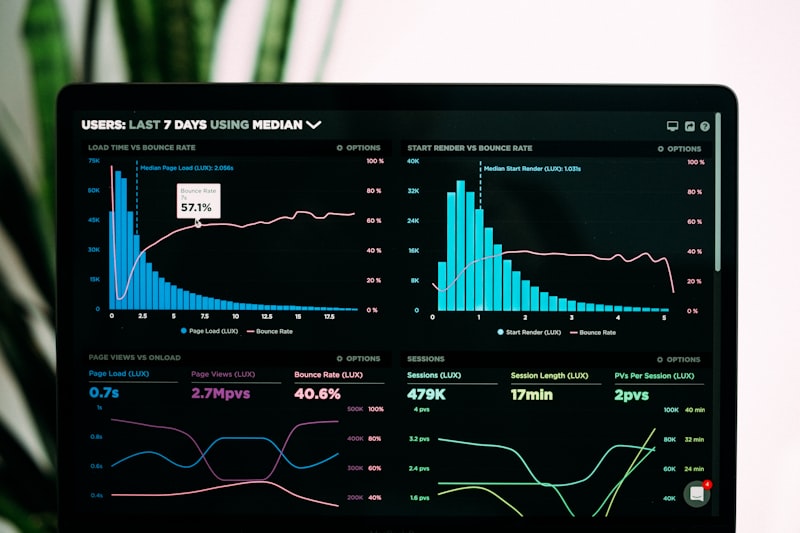 Meta's leaked plans for the "Arena" prediction app highlight the company's focus on real-time data analysis, even as internal security concerns pause its AI data gathering.
Project Arena: Meta's Bid to Socialize the Prediction Market Boom
Prediction markets have transitioned from niche platforms into mainstream financial instruments, with global trading volumes rising during major international events. Meta's planned "Arena" application represents an attempt to integrate these forecasting mechanisms into a social framework. According to leaked product documents, Arena allows users to predict the outcomes of real-world events, including political elections, sports matchups, and entertainment awards. To address regulatory constraints, the platform is designed to launch using a virtual points system rather than real money, presenting the tool as a social forecasting game.
The design of Project Arena relies on several key features to differentiate it from traditional platforms:
- Points-Based Economy: Users receive a daily allocation of non-monetary tokens to place wagers on active markets.
- AI Consensus Modeling: Meta's internal LLaMA models will analyze aggregated user predictions to generate public probability estimates.
- Social Integration: Users can build customized leagues and challenge contacts, mirroring popular fantasy sports structures.
- External Payout Potential: While launching as a points-based system, documents indicate plans for real-money wagering in compliant regions.
The strategic choice of a points-based model allows Meta to bypass the strict regulatory oversight applied to derivatives exchanges. By avoiding CFTC registration in the United States, Meta can distribute the application across its existing user base, utilizing social features to drive engagement. This approach is intended to build user volume before introducing financial transactions, establishing the platform as a social forecasting hub. If the points-based model proves successful, it could serve as a template for other social media platforms seeking to enter the prediction market space.
Regulatory Context: Unlike Kalshi, which is registered as a Designated Contract Market (DCM) under the CFTC, Meta's points-based model avoids strict US financial derivatives regulations by operating as a free-to-play social game. This gaming classification allows rapid distribution across Instagram and Threads without compliance barriers.
The concept of corporate prediction markets has historical precedents in the technology sector. Google operated its internal "Prophit" market from 2005 to 2011 to aggregate employee forecasts, and later launched "Gleangen" in 2020 to navigate pandemic-related operational decisions. These internal markets demonstrated that aggregated employee predictions often outperformed traditional expert forecasts because they successfully captured the "wisdom of the crowd" in a closed environment. Meta's Arena project represents a public-facing extension of this concept, using AI models to synthesize crowd predictions into real-time probability estimates for a global audience.
The Model Capability Initiative: Mass Surveillance under the Guise of AI Training
While Project Arena highlights Meta's consumer-facing plans, the suspension of the Model Capability Initiative (MCI) reveals the internal tensions surrounding its AI development. Launched in April 2026, MCI was a mandatory program for U.S.-based Meta employees. Its purpose was to collect data on human-computer workflows to train AI agents to perform complex office tasks. The program utilized background monitoring software to track user activity, including mouse movements, click coordinates, screen content, and keystrokes during the workday.
The implementation of this monitoring program followed a structured background data harvesting path:
- Granular Activity Log: Local software logged keystrokes, click locations, and window focus changes.
- Periodic Screen Scrapes: The program captured periodic screenshots to provide visual context for AI training models.
- Centralized Database Transfer: Local logs were transmitted to internal databases to train Meta's assistant agents.
- Model Fine-Tuning: Machine learning models analyzed the data to learn task execution and workflow optimization.
The program faced immediate opposition from Meta's workforce. More than 1,600 employees signed an internal petition protesting the monitoring, citing concerns over privacy, consent, and the security of personal data. Critics pointed out that the software captured sensitive personal info, including personal passwords, private conversations, and medical logs, if an employee accessed personal accounts from work devices. Despite these objections, Meta's leadership maintained that the program was necessary to build competitive AI agents, particularly after reassigning approximately 7,000 employees to AI-focused divisions following the May 2026 restructuring. The tension underscores the difficulty of obtaining high-quality training data without violating employee trust.
The specific tasks the AI models were training to perform required this high level of detail. Meta's engineers designed the models to automate complex administrative workflows, such as scheduling multi-timezone meetings, drafting customized customer service responses, and routing software bug reports. To train an AI to replicate these actions, the system needed to observe the exact sequence of clicks and keystrokes a human employee used. However, by recording this information continuously, the software generated a massive, highly sensitive database that presented a significant security risk if not properly isolated.
- Arena App Leak: Leaked documents reveal a standalone, points-based prediction market app designed to compete with Kalshi and Polymarket.
- MCI Suspension: Meta suspended its controversial Model Capability Initiative monitoring program following a major data exposure.
- SEV 2 Security Event: A permissions misconfiguration exposed approximately 45,000 data tables on the internal network.
- Exposed Content: The exposed tables contained employee keystrokes, private conversations, performance logs, and tax records.
- Workforce Reductions: The developments follow a May 2026 restructuring that included 8,000 layoffs and the cancellation of 6,000 open positions.
- Market Volume: Polymarket and Kalshi reached a combined monthly global trading volume of $24 billion by April 2026.
The SEV 2 Security Failure: 45,000 Tables Exposed on the Internal Network
The controversy surrounding the MCI program escalated in late June 2026 when an internal permissions misconfiguration resulted in a significant data exposure. Classified as a SEV 2 security incident, the failure made approximately 45,000 data tables collected by the monitoring software accessible to employees across the company's internal network. This meant that any employee could query databases containing the recorded keystrokes and screen content of their colleagues, including sensitive personal and professional files.
The exposed tables contained a variety of sensitive information. Leaked details indicate that the data included transcriptions of internal meetings, employee performance records, private chat histories, and personal files such as tax and medical documents that had been open on screen during monitoring windows. Meta's security team identified the exposure and paused the MCI program to investigate. While the company stated there was no evidence of external access or malicious behavior by staff, the incident has highlighted the security risks associated with large-scale data collection programs.
The technical cause of the exposure has been attributed to a misconfiguration in the access control lists (ACLs) of Meta's internal data warehouse. Because the MCI program generated raw text logs and screen capture files, the data was stored in high-capacity storage buckets designed for developers. However, the permission rules for these buckets were set to inherit default developer access, allowing any employee with basic data query privileges to read the contents. This lack of data isolation allowed the exposure to persist undetected until security teams identified unusual query patterns on the network.
The suspension of the program is a setback for Meta's AI development schedule. The company had relied on the MCI data to train its next generation of task-oriented AI models, which are intended to automate administrative workflows. The suspension leaves Meta without a key source of training data, forcing engineering teams to find alternative methods for training their models while the security audit is conducted. This delay comes amid intense competition among major technology companies to deploy functional AI assistants in the enterprise market.
| Prediction Market Metric | Meta "Arena" (Planned Points Model) | Kalshi (CFTC-Regulated Exchange) | Polymarket (Decentralized Protocol) |
|---|---|---|---|
| Wager Currency | Virtual Points (Play Money) ▼ Behind | U.S. Dollars (USD) ▲ Leading | Stablecoins (USDC) ▲ Leading |
| Regulatory Oversight | Unregulated (Social Game) ≈ Parity | CFTC Regulated (U.S.) ▲ Leading | Decentralized (Offshore Limits) ▼ Behind |
| Primary User Base | Social Gamers & AI Agents ≈ Parity | Institutional & U.S. Retail ▲ Leading | Crypto-Native & International ▲ Leading |
| AI Integration Level | High (Consensus Modeling) ▲ Leading | Low (Market-Driven) ▼ Behind | Low (Market-Driven) ▼ Behind |
The Prediction Market Boom: Polymarket, Kalshi, and the $24 Billion Milestone
Meta's interest in prediction markets occurs during a period of significant growth for the industry. By April 2026, the combined monthly global trading volume of Kalshi and Polymarket reached approximately $24 billion, indicating a growing interest in forecasting platforms. The growth was driven by a mix of political events and international sports tournaments, particularly the 2026 FIFA World Cup, which generated significant betting volume in its initial weeks. In the first ten days of the tournament in June 2026, Polymarket's soccer category alone recorded over $2 billion in trading volume.
The specific volume allocations among the leading prediction platforms in early 2026 highlight the scale of the market:
- Kalshi (Regulated Exchange): Recorded a monthly trading volume of approximately $15 billion in April 2026.
- Polymarket (International Platform): Recorded a monthly trading volume of approximately $9 billion in the same month.
- Polymarket (U.S. Regulated Arm): Accounted for $1.3 billion of the platform's volume due to regulatory limits.
- Open Interest Expansion: Kalshi's open interest reached $1.16 billion in June 2026, a 350 percent increase year-to-date.
The difference between Kalshi's regulated model and Polymarket's decentralized structure highlights the divisions in the market. Kalshi, as a CFTC-regulated exchange, supports direct USD deposits and is designed to attract institutional investors seeking to hedge risk. Polymarket, which operates internationally on blockchain infrastructure, uses stablecoins and is popular with crypto-native traders. Meta's points-based Arena app represents a third approach, attempting to monetize prediction markets through user engagement rather than direct transaction fees.
Workplace Privacy and AI Development: Balancing Progress and Consent
The suspension of the MCI program occurs against the backdrop of organizational changes at Meta. In May 2026, the company underwent a restructuring that resulted in approximately 8,000 layoffs (roughly 10 percent of its workforce) and the cancellation of plans to fill 6,000 open positions. At the same time, Meta reassigned approximately 7,000 employees to its AI divisions, underscoring its focus on technology development. This shift has increased the workload for remaining staff, making the introduction of monitoring tools a point of concern.
The use of monitoring tools to train AI models has sparked discussions among employment attorneys and privacy advocates. Critics argue that collecting keystroke and screen data without clear boundaries crosses ethical lines and exposes companies to legal risks if personal information is compromised. While Meta's employment agreements grant the company broad authority to monitor work devices, the SEV 2 security incident demonstrates the difficulty of securing such data within corporate networks. The incident may lead to calls for regulatory oversight of workplace data harvesting practices.
Commenting on the security lapse and the suspension of the program, a senior human resources officer at Meta, speaking on the condition of anonymity, noted the impact on employee relations:
“The suspension of the Model Capability Initiative was necessary to address the security concerns of our staff. While we remain committed to developing advanced AI tools, we must ensure that our internal data gathering practices maintain the trust and privacy of our workforce.”
? Anonymous Meta Human Resources Executive, June 2026
This perspective reflects the challenge facing technology companies as they balance AI development with employee relations. As companies seek data to train their models, they must navigate the limits of surveillance and consent, particularly when internal security failures expose personal information to colleagues. The resolution of the MCI investigation will likely shape Meta's internal policies and could serve as a reference point for other firms considering similar data harvesting initiatives.
Conclusion: The Path Forward for Meta's AI Initiatives
The developments in late June 2026 highlight the challenges associated with Meta's transition toward an AI-focused business model. While Project Arena demonstrates the company's ability to identify and target growth opportunities in the consumer software market, the suspension of the MCI program reveals the operational risks of its internal development practices. The SEV 2 security incident serves as a reminder of the difficulties of managing large-scale data harvesting programs, particularly when they involve the monitoring of employee activity. As Meta investigates the leak and refines its security protocols, the company must address the concerns of its workforce to maintain the trust necessary to support its long-term development goals.
Sources and References
- Business Insider - Meta Suspends Controversial AI Monitoring Program: businessinsider.com
- NPR - Leaked Documents Detail Meta's Codenamed "Arena" Prediction App: npr.org
- Wired - Bipartisan Privacy Concerns Rise Over Workplace AI Surveillance: wired.com
- CFTC - Kalshi Trading Volume and Open Interest Reports: cftc.gov
- The New York Times - Meta Restructuring and Layoffs Deepen AI Focus: nytimes.com
Post a Comment