
As silicon manufacturing complexity escalates, upcoming flagship smartphones face unprecedented component bill-of-materials inflation. While Apple aims to keep the entry-level price stable at 1,099 dollars, the total cost of ownership for consumers is poised to rise through memory upgrades, advanced camera architectures, and recurring software subscriptions.
The global smartphone market is preparing for a significant transition as manufacturers finalize their product architectures for late 2026. The focus is primarily on the upcoming iPhone 18 Pro series, which is expected to debut advanced hardware capabilities. However, these advancements come at a steep price, driven by escalating supply chain and manufacturing costs.
Industry reports indicate that while the base hardware sticker price may remain unchanged, the secondary costs associated with ownership are rising. This article details the financial realities of this transition, evaluating the wafer-level costs of advanced fabrication nodes, the memory requirements of generative artificial intelligence, and the growing role of subscription-based monetization models.
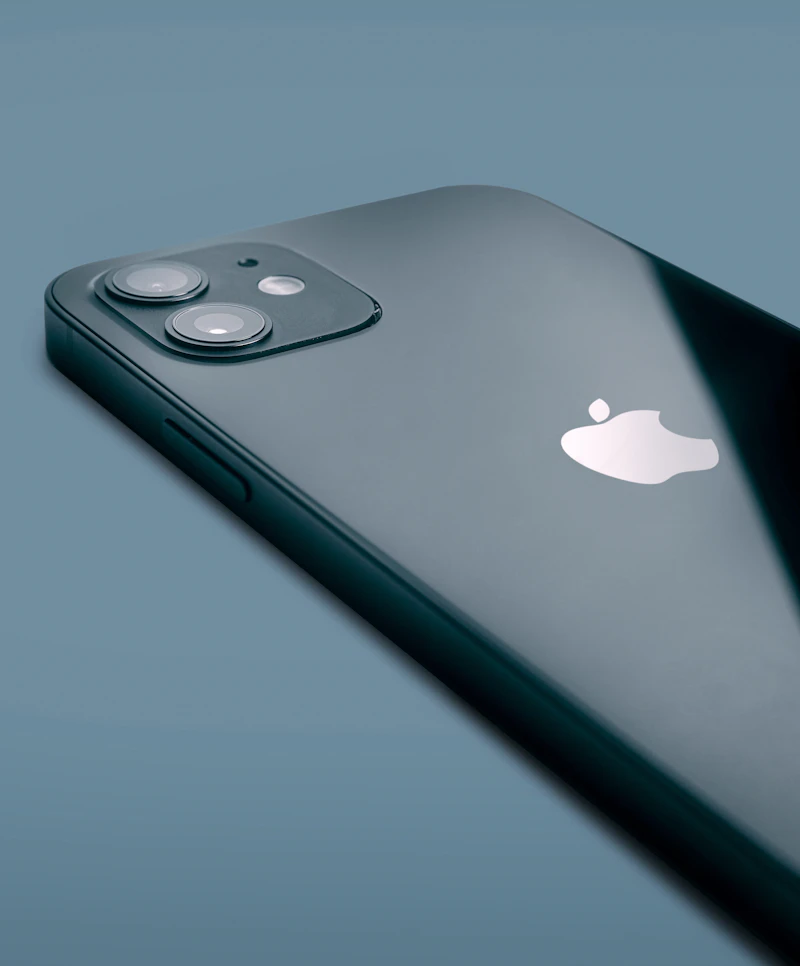 The transition to 2nm silicon and variable-aperture optics represents a major inflection point in smartphone hardware costs.
- Node Price Premium: TSMC's 2nm (N2) wafer pricing is estimated at 30,000 dollars, representing a 50 percent premium over 3nm wafers.
- Camera Bill-of-Materials: The mechanical variable-aperture lens module carries a 50 percent unit cost premium over current 7P lenses.
- Silicon Architecture: The A20 Pro SoC features Wafer-Level Multi-Chip Module (WMCM) packaging integrating 12GB of standard DRAM.
- Total Cost of Ownership: Recurring subscriptions for advanced generative AI features are projected to add 100 to 150 dollars annually.
- Handset Pricing: Analysts expect Apple to protect entry-level sticker prices at 1,099 dollars for the Pro model to secure market share.
The Sticky Sticker: Why the $1,099 Base Price Is a Tactical Illusion
The upcoming launch of the iPhone 18 Pro series in September 2026 is expected to follow a familiar commercial script. Industry analysts suggest that Apple will maintain the starting price of the Pro model at 1,099 dollars, while the larger Pro Max will begin at 1,199 dollars. Keeping these baseline figures unchanged is a strategic choice, designed to maintain consumer demand and ensure high launch-day sales figures.
By protecting the entry-level price point, Apple aims to prevent a slowdown in the upgrade cycle. A sudden increase in the sticker price during a transition year could deter buyers, particularly in mature markets where carriers have reduced handset subsidies. However, maintaining a flat retail price does not mean the device is getting cheaper to manufacture; instead, Apple is adjusting how it extracts value from the user base.
To offset the rising cost of hardware, the company is expected to push consumers toward higher storage configurations and recurring digital services. The baseline 1,099 dollars model will likely offer limited storage, prompting buyers to opt for the 512GB or 1TB configurations which carry significant profit margins. Consumer methods for mitigating upfront hardware cost inflation include:
- Carrier Installment Contracts: Relying on 36-month interest-free credit terms to spread the device cost.
- Trade-in Programs: Leveraging the residual value of previous-generation Pro models to offset the purchase.
- Ecosystem Bundles: Utilizing discounted service bundles to reduce monthly subscription overhead.
This pricing structure protects the headline starting price while ensuring the average transaction value remains high.
The 2nm Premium: TSMC's $30,000 Wafer and Silicon Economics
The primary driver of rising production costs is the transition to the next-generation silicon manufacturing node. The upcoming A20 Pro system-on-chip will be fabricated using TSMC's advanced 2nm (N2) process. This transition represents a major milestone, introducing a Gate-All-Around nanosheet transistor architecture that replaces the FinFET structures used in previous generations of processors.
While the N2 node offers a 15 percent performance increase and a 30 percent reduction in power consumption, it carries a substantial financial penalty. Industry sources estimate that the production cost of a single 2nm silicon wafer will reach approximately 30,000 dollars. This represents a 50 percent premium over the 20,000 dollars cost of a 3nm wafer, reflecting the extreme complexity of the manufacturing process.
The high wafer cost is driven by several factors, including the increased number of extreme ultraviolet lithography steps and the low yields associated with early-stage production. Because Apple is the primary launch customer for TSMC's 2nm capacity, it must bear a significant portion of these development costs. Commenting on the economics of this transition, a prominent industry analyst shared the following perspective:
“TSMC’s move to a 2nm nanosheet architecture is one of the most expensive technological jumps in recent history. A pricing tier of 30,000 dollars per wafer means that early adopters like Apple must pay a significant premium, leaving them with a choice: raise retail prices or accept lower margins.”
— Semiconductor Industry Analyst, Market Briefing Report, June 2026
This premium wafer pricing directly impacts the bill of materials for the A20 Pro chip. In addition to wafer costs, packaging and testing expenses are rising, meaning the silicon footprint of the iPhone 18 Pro will represent a larger share of the total component cost than any of its predecessors. This structural cost increase forces a shift in Apple's broader retail and monetization strategies.
DRAM on Wafer: The Memory Math Behind On-Device Apple Intelligence
Beyond the raw fabrication node, the architecture of the A20 Pro is shaped by the memory demands of modern software. To run advanced generative artificial intelligence models directly on the device, Apple is increasing the standard system memory. The iPhone 18 Pro series will feature a minimum of 12GB of RAM, up from the 8GB standard found in the iPhone 16 and 17 series.
This memory upgrade is not merely a quantity increase; it also requires a change in packaging technology. The A20 Pro is expected to utilize TSMC's Wafer-Level Multi-Chip Module packaging. This technique integrates the memory chips directly onto the processor package, shortening the physical distance between the compute cores and the memory registers to maximize bandwidth and minimize latency.
Integrating 12GB of high-speed memory directly onto the silicon package increases manufacturing complexity and component costs. Furthermore, the global memory market is experiencing pricing pressures due to tight supply chains, meaning Apple must pay more for every gigabyte of DRAM it purchases. The technical advantages of integrating DRAM via Wafer-Level Multi-Chip Module (WMCM) packaging include:
- Enhanced Bandwidth: Shortening the interconnect distance between compute cores and memory registers.
- Reduced Latency: Minimizing the time required to fetch weights for generative AI models.
- Thermal Management: Distributing thermal output across a wider physical silicon surface.
The decision to make 12GB the baseline standard ensures smooth performance for on-device AI model execution but adds a significant cost burden.
The Mechanical Variable Aperture: LG Innotek and Sunny Optical Supply Chains
The second major hardware upgrade driving up the bill of materials is the main camera module. The iPhone 18 Pro series is rumored to feature a mechanical variable-aperture lens system. This system allows the camera to physically adjust the size of the lens opening, giving users precise control over depth of field and light exposure, similar to professional DSLR cameras.
This mechanical lens system is significantly more complex than the fixed-aperture optics used in current smartphones. According to reports from the supply chain, the variable-aperture module requires specialized actuators to move the physical blades of the aperture. Sunny Optical, a Chinese optics manufacturer, has reportedly secured the contract to supply these advanced mechanical actuators.
The final assembly of the camera modules will be handled by LG Innotek, Apple's long-term camera partner. LG Innotek has reportedly been installing new, high-precision manufacturing equipment at its plant in Gumi, South Korea, to support the production ramp-up. The camera supply chain is characterized by the following milestones and challenges:
- Sunny Optical Actuator Supply: Production of the micro-actuator systems responsible for physical blade adjustment.
- LG Innotek Gumi Plant Tooling: Capital expenditure on high-precision assembly lines, scheduled to ramp up in mid-2026.
- Component Cost Premium: The variable-aperture lens carries a unit cost approximately 50 percent higher than current 7P lenses.
The 50 percent premium for the variable-aperture camera assembly represents a major cost increase for a single component. In a fixed-price environment, Apple cannot easily pass this cost to consumers without impacting demand. As a result, the camera upgrade represents another area where hardware profit margins are squeezed, reinforcing the need for alternative monetization methods.
Private Cloud Compute and Apple One: Shifting Hardware Margins to Services
As hardware margins face pressure from rising component costs, Apple is turning to its services division to protect profitability. The advanced features grouped under Apple Intelligence require substantial computing power. While simple tasks can run locally on the A20 Pro's neural engine, complex queries must be sent to the cloud via Apple's Private Cloud Compute infrastructure.
Running these secure cloud servers is an expensive undertaking, requiring significant ongoing investment in data center hardware and electrical power. To recover these infrastructure costs, Apple is expected to tie advanced AI features to its subscription ecosystem. While basic AI tools will remain free, premium capabilities—such as advanced image generation and specialized productivity assistants—will require an Apple One subscription.
This services-first strategy allows Apple to generate recurring revenue from its user base, offseting the flat hardware margins of the base handset. A monthly subscription fee of 10 to 15 dollars for premium AI tools translates to an additional 120 to 180 dollars per year in user spending. This recurring revenue stream is highly profitable, shifting the focus from one-time hardware sales to long-term user monetization.
Private Cloud Compute and Infrastructure Costs: Unlike traditional cloud services that process data in bulk, Apple's Private Cloud Compute utilizes custom Apple Silicon servers designed to process data with strict privacy guarantees. This architecture prevents data storage or access by third parties, but the specialized hardware and security audits make it significantly more expensive to run than standard cloud compute instances, driving the need for subscription models.
The transition to a services-oriented business model represents a structural shift for the consumer electronics industry. As physical components become more expensive and technological gains slow down, software and cloud services are becoming the primary differentiators and profit drivers for premium brands like Apple.
The True Cost of Upgrading: A Total Cost of Ownership Projection
For the average consumer, evaluating the cost of an upgrade requires looking beyond the initial purchase price. The total cost of ownership over a standard two-year contract is rising, even if the starting price remains flat. The combination of hardware configurations, accessory ecosystems, and recurring software services creates a higher financial barrier to entry.
A user purchasing a base iPhone 18 Pro will likely find the baseline storage insufficient for storing high-resolution photos and local AI models, necessitating an upgrade to the 512GB tier. Furthermore, to fully utilize the device's capabilities, the user will likely subscribe to premium cloud storage and advanced software services, adding hundreds of dollars to the lifetime cost of the handset.
This total cost of ownership inflation is detailed in the analysis below, which compares the projected costs of the upcoming generation with previous models. Ewan Spence, a senior contributor at Forbes, highlighted this shifting value proposition in a recent editorial:
“While the initial sticker price of the iPhone 18 Pro may look unchanged at 1,099 dollars, the total cost of ownership is moving upward. Apple is shifting the monetization engine from hardware margins to recurring services and subscription tiers.”
— Ewan Spence, Senior Contributor, Forbes Editorial, June 2026
By shifting the commercial focus to total cost of ownership, manufacturers can protect their hardware volumes while quietly increasing the lifetime value of each customer. This strategy is essential for navigating the rising costs of advanced silicon and mechanical component designs.
Comparing Smartphone Pro Generation Specifications and Cost Structures
To contextualize the hardware economics of the upcoming iPhone 18 Pro, the table below compares its specifications and production costs with the previous two generations of Pro models. This comparison highlights the structural cost increases that have occurred over the last several years:
| Generation Metric | iPhone 18 Pro (Projected) | iPhone 17 Pro (Current) | iPhone 16 Pro (Legacy) |
|---|---|---|---|
| Base Launch Price | $1,099 ▼ Behind | $1,099 ▼ Behind | $999 ▲ Leading |
| Silicon Fabrication Node | 2nm N2 ▲ Leading | 3nm N3P ▼ Behind | 3nm N3E ▼ Behind |
| Standard System Memory | 12GB LPDDR5X ▲ Leading | 8GB LPDDR5X ▼ Behind | 8GB LPDDR5X ▼ Behind |
| Camera Module Type | Variable Aperture ▲ Leading | Fixed Aperture f/1.78 ▼ Behind | Fixed Aperture f/1.78 ▼ Behind |
| Est. Silicon Wafer Cost | $30,000 ▼ Behind | $20,000 ▲ Leading | $20,000 ▲ Leading |
| Packaging Technology | WMCM Integrated ▲ Leading | Standard PoP ▼ Behind | Standard PoP ▼ Behind |
| Advanced AI Subscription | $100-$150/year ▼ Behind | Free Basic Tier ▲ Leading | Free Basic Tier ▲ Leading |
The comparative data illustrates the architectural trade-offs facing Apple. While the iPhone 18 Pro introduces significant upgrades in fabrication technology, system memory, and optical hardware, these changes double the silicon wafer cost compared to previous generations. Maintaining the starting price at 1,099 dollars requires absorbing these costs, which is why the services division is play a central role in Apple's monetization plans.
Conclusion: Navigating the New Economics of Consumer Hardware
The transition to the iPhone 18 Pro series represents a broader shift in the consumer electronics industry. As physical components become more expensive and technological gains slow down, manufacturers must find new ways to extract value. While the headline sticker price of 1,099 dollars remains stable, the total cost of ownership is rising, driven by memory requirements, mechanical complexity, and recurring software services. Navigating this new landscape requires consumers to evaluate the lifetime value of their devices, recognizing that the true cost of an upgrade is no longer limited to the retail price of the handset.
Ultimately, the long-term success of this strategy will depend on consumer willingness to pay for software services. If the value proposition of on-device AI and premium cloud capabilities is compelling, the shift to a services-oriented model will succeed, establishing a new commercial framework for the mobile industry.
Sources and References
- Forbes - Analysis of iPhone 18 Pro Pricing Strategy and Services Monetization: forbes.com
- MacRumors - Supply Chain Reports on TSMC 2nm Wafer Allocations and A20 Pro SoC: macrumors.com
- CNET - Preview of Apple's Upcoming Flagship Lineup and Hardware Upgrades: cnet.com
- GF Securities - Analyst Research Notes on Memory Trends and Aggressive Pricing: gfsecurities.com
- LG Innotek - Corporate Reports on Camera Module Tooling and Gumi Plant Investments: lginnotek.com
Post a Comment