
The European Union is preparing a regulatory framework to establish a single market for secondary raw materials. Under the upcoming Circular Economy Act, the block aims to align carbon reduction targets with industrial competitiveness.
In mid-June 2026, the European Commission advanced its green industrial strategy by outlining details of the upcoming Circular Economy Act. Scheduled for Q3 2026, the Act represents a cornerstone of the EU Competitiveness Compass, aiming to double the circular material use rate from 12.2 percent to 24 percent by 2030. Alongside this legislation, the launch of the Bio-based Europe Alliance on June 10, 2026, aims to mobilize 10 billion euros in corporate offtake commitments. These efforts come as Eurostat reports show the bioeconomy is worth up to 2.7 trillion euros and supports 17.2 million direct jobs, highlighting the scale of circular transition across the block.
The transition toward a circular economy marks a significant shift in how resource management is integrated with macroeconomics. For decades, environmental policies were viewed as regulatory constraints. Today, as global supply chains face geo-economic fragmentation, circularity is repositioned as a mechanism for economic security and industrial competitiveness. By establishing a unified market for recycled materials and scaling bio-based infrastructure, the EU aims to reduce its reliance on external resource imports, securing its industrial base against geopolitical shocks.
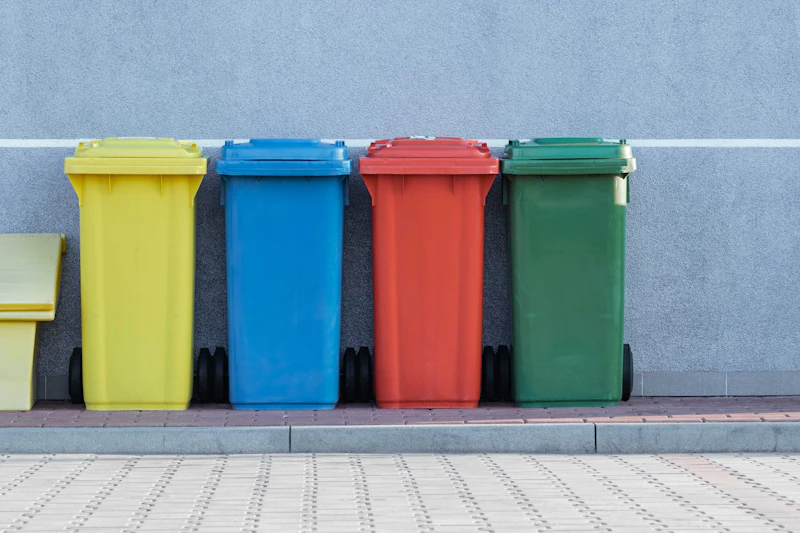 The EU Circular Economy Act of 2026 aims to establish a Single Market for secondary raw materials to de-risk investment and increase supply security.
- Legislative Timeline: The European Commission will propose the Circular Economy Act in the third quarter of 2026, targeting adoption by the end of the mandate.
- Circularity Targets: The Act establishes a binding target to double the EU's circular material use rate from the 2024 record of 12.2 percent to 24 percent by 2030.
- Offtake Commitments: The Bio-based Europe Alliance, launched on June 10, 2026, aims to secure €10 billion in corporate offtake commitments by 2030 to prevent startup acquisitions.
- Economic Scale: The EU bioeconomy represents €1.9 trillion to €2.7 trillion in economic value (11–16 percent of EU GDP) and directly supports 17.2 million jobs.
- Strategic AUTONOMY: The Competitiveness Compass structures circularity under the Decarbonisation and Competitiveness pillar to mitigate critical raw material dependencies.
Context: The Circular Economy Act, scheduled for Q3 2026, serves as a legislative link between the European Green Deal and the Competitiveness Compass, prioritizing security of raw material supply over simple environmental compliance.
The Competitiveness Compass: Why Circularity is Europe's New Shield
The introduction of the Competitiveness Compass in January 2025 marked a shift in the European Union's industrial strategy. Designed to address lagging economic growth relative to the United States and China, the Compass focuses on three core pillars: innovation, decarbonisation, and security. Under this framework, the upcoming Circular Economy Act is positioned as a primary tool for industrial resilience. By keeping materials within the economic loop, the EU aims to insulate its manufacturing sectors from supply volatility and rising raw material costs.
The Clean Industrial Deal, which coordinates these policies, emphasizes that Europe's transition to net-zero must not lead to new strategic dependencies. Currently, the EU imports a significant share of its critical minerals and industrial chemicals. The Circular Economy Act aims to address this vulnerability by creating a Single Market for secondary raw materials. By harmonizing recycling standards and simplifying regulatory processes across member states, the legislation aims to establish secondary materials as a reliable and cost-effective alternative to primary resource imports.
This approach represents a change in perspective where environmental regulation is aligned with economic competitiveness. In recent public addresses, Commissioner Jessika Roswall has highlighted that circularity must be simplified to attract private capital. Rather than imposing new administrative burdens, the Act aims to remove internal market barriers, allowing recycling and bio-based firms to scale across borders. This focus on regulatory harmonization is seen as key to keeping green technology manufacturing within the European single market.
A Single Market for Recycling: Objectives of the Circular Economy Act
A central challenge facing Europe's recycling sector is the fragmentation of national waste legislations. Diverging definitions, packaging rules, and sorting systems across the 27 member states prevent cross-border supply chains for secondary materials. The Circular Economy Act aims to resolve these inefficiencies by establishing a unified market. This includes transforming existing directives into direct regulations, which will enforce uniform rules across the entire block. One major initiative is the proposed conversion of the Waste Electrical and Electronic Equipment directive into a single EU-wide regulation.
The legislation supports the Clean Industrial Deal by focusing on three strategic enablers:
- Regulatory Simplification: Fast-tracking permits for recycling facilities and standardizing the definition of end-of-waste status.
- Infrastructure Investment: Supporting regional sorting and refining hubs to process high-purity secondary polymers and metals.
- Green Public Procurement: Enforcing mandatory minimum recycled content requirements for public sector contracts across the block.
The binding target of the Act is to double the circular material use rate to 24 percent by 2030. Reaching this target will require a significant increase in the recycling of industrial and construction waste, which represents the largest volume of material flow. The European Environment Agency has noted that while progress in consumer packaging recycling has been steady, industrial waste circularity remains low. The Act will address this gap by establishing circularity mandates for sectors like automotive manufacturing, electronics, and construction.
To support this transition, the Commission is introducing digital product passports to track material composition throughout product lifecycles. This system will provide recycling operators with data on chemical content, disassembly procedures, and component sourcing. By simplifying the sorting and processing of complex assemblies, the digital passport system aims to increase the supply of high-purity secondary materials, helping the EU make progress toward its 2030 targets.
Scaling the Bioeconomy: The Bio-based Europe Alliance Strategy
To reduce reliance on petroleum-based products, the European Commission is focusing on the scale-up of the bioeconomy. The bioeconomy encompasses all sectors that rely on renewable biological resources from land and sea. While European research labs produce advanced bio-based materials, many startups struggle to transition from pilot facilities to commercial scale. This "valley of death" is driven by high capital costs and the challenge of securing long-term contracts from industrial buyers. To address this issue, the Commission launched the Bio-based Europe Alliance on June 10, 2026.
The launch of the alliance will follow a structured implementation roadmap:
- Call for Members (June 10, 2026): Opening applications for major corporate buyers and technology providers to join the voluntary coalition.
- Dublin Summit (October 20–21, 2026): Convening members at the Global Bioeconomy Summit to establish working groups and outline procurement standards.
- First Procurement Wave (Late 2026): Initiating the first round of joint tenders and long-term supply agreements for bio-based chemicals and packaging.
The primary target of the Bio-based Europe Alliance is to mobilize €10 billion in corporate offtake commitments by 2030. By consolidating demand from major buyers in packaging, automotive, and construction, the alliance aims to provide the predictable revenue streams necessary to secure project financing. This demand-pull strategy is intended to encourage private capital to fund new biorefineries within the EU, preventing European startups from moving to other jurisdictions or being acquired by non-European competitors before reaching scale.
“The Circular Economy Act must be practical. It must be focused and simple by design. And it must make a real difference on the ground. For companies, this means clear rules, less fragmentation, and better market conditions. We cannot allow regulatory complexity to slow the transition.”
— Jessika Roswall, European Commissioner for Environment and Circular Economy, Business Summit, June 2026
The alliance will also establish technical criteria to verify the sustainability of biomass feedstocks. To prevent competition with food crops, the BEA will prioritize secondary biomass, including forestry residues, agricultural waste, and municipal organic waste. This sourcing model is designed to ensure that the scale-up of the bioeconomy supports biodiversity goals and does not lead to land-use conflicts, aligning the initiative with the EU's broader environmental objectives.
Valuing the Green Core: Economic Scale of the EU Bioeconomy
The economic footprint of the bioeconomy is already significant, and the Commission's updated Bioeconomy Strategy aims to expand this base. Eurostat metrics show that bioeconomy-relevant sectors generate between €1.9 trillion and €2.7 trillion in annual value added. This contribution represents approximately 11 to 16 percent of the EU's total gross domestic product. Sourcing models that replace fossil fuels with renewable alternatives are becoming key drivers of regional development, particularly in rural and coastal areas.
Employment within the bio-based sectors is a primary driver of this economic impact. The direct bioeconomy supports approximately 17.2 million jobs across the block, representing roughly 8 percent of the total EU workforce. Sourcing models estimate that every direct job created in the bio-based sector supports three additional indirect jobs in machinery, logistics, and services, demonstrating a strong employment multiplier. Expanding the bioeconomy is therefore seen as a strategy for job creation in regions facing industrial transition.
“Water resilience, the circular economy, healthy ecosystems, biodiversity, and access to natural resources – these are environmental issues, but they are also the building blocks of resilient, prosperous and competitive economies. Sourcing sustainably is our path to long-term prosperity.”
— Jessika Roswall, European Commissioner for Environment and Circular Economy, High-Level Dialogue, June 12, 2026
To sustain this economic base, the EU is investing in regional bioeconomy hubs. These hubs coordinate biomass supply chains, connecting agricultural producers with processing facilities. By organizing local logistics, these hubs aim to reduce transportation costs and lower the carbon footprint of bio-based materials. The integration of local supply chains is seen as a key factor in making bio-based chemicals and packaging competitive with traditional petroleum-based alternatives, supporting the sector's growth.
The Eurostat Circularity Index: Benchmarking EU Performance
To measure the progress of circular economy policies, the European Commission relies on the circular material use rate, published annually by Eurostat. The circularity rate measures the share of material resources recycled and fed back into the economy relative to overall material consumption. The latest Eurostat report, published in November 2025, showed that the EU's circularity rate reached a record high of 12.2 percent in 2024. While this represents a steady increase from previous years, the rate of progress is slow compared to the 2030 target.
The Eurostat data shows significant variations in circularity rates across different material categories:
- Metal Ores: Achieved a circularity rate of 23.4 percent, driven by established scrap steel and aluminum recycling networks.
- Non-Metallic Minerals: Stood at 14.3 percent, reflecting the reuse of glass, ceramics, and construction aggregates.
- Biomass Sourcing: Reached 9.9 percent, indicating the processing of organic residues, paper, and wood products.
- Fossil Energy Materials: Logged a circularity rate of 3.8 percent, as the vast majority of fossil fuels are combusted and cannot be recycled.
This category split highlights the challenges of achieving circularity in fossil-based sectors. While metals and minerals have established recycling paths, fossil fuels represent a linear material flow. This difference underscores the importance of the Bioeconomy Strategy, which aims to replace fossil inputs with renewable biomass. By shifting the raw material base of the chemical industry from petroleum to organic waste, the EU aims to improve circularity in sectors that are currently dependent on linear material flows.
National Disparities: Leaders and Laggards in Resource Re-use
The aggregate EU circularity rate of 12.2 percent conceals significant disparities between member states. While some countries have developed advanced recycling infrastructure and regulatory incentives, others continue to rely primarily on landfilling and primary extraction. This disparity represents a challenge for the single market, as varying national standards complicate cross-border waste transport and processing. The upcoming Circular Economy Act aims to establish uniform standards to bridge these national gaps.
The table below compares the circularity rates, primary regulatory drivers, and single market alignment of key EU member states based on Eurostat's 2024 data:
| EU Member State | Circularity Rate (2024) | Primary Regulatory Driver | Recycling Infrastructure Level | Single Market Alignment Badge |
|---|---|---|---|---|
| Netherlands | 32.7% | Landfill bans & high incineration taxes | Highly automated sorting & chemical recycling hubs | ▲ Leading |
| Belgium | 22.7% | Extended Producer Responsibility (EPR) mandates | Advanced industrial waste processing centers | ▲ Leading |
| Italy | 21.6% | CONAI consortium recycling incentives | Developed scrap metal and textile recovery networks | ▲ Leading |
| EU Average | 12.2% | Circular Economy Action Plan directives | Moderate regional disparities in processing capacity | ≈ Parity |
| Germany | 11.5% | Verpackungsgesetz packaging legislation | Large collection volumes but low chemical recycling share | ▼ Behind |
| Sweden | 8.4% | Avfall Sverige waste management framework | High waste-to-energy incineration share over recycling | ▼ Behind |
The data shows that the Netherlands, Belgium, and Italy perform well above the EU average. The Netherlands leads the block with a 32.7 percent circularity rate, driven by landfill bans and a mature circular business ecosystem. In contrast, Germany and Sweden lag behind the EU average, despite their high collection rates. In Sweden, the low circularity rate is due to a high share of waste-to-energy incineration, which recovers energy but removes materials from the circular loop. The Circular Economy Act will address these differences by setting recycling targets that prioritize material recovery over energy recovery.
Conclusion: The Future of European Industrial Resource Flows
The development of the EU Circular Economy Act of 2026 represents a structural change in how resource circularity is managed. By transitioning from fragmented national guidelines to unified regulations, the block aims to create a functional market for secondary raw materials. While the €10 billion target of the Bio-based Europe Alliance provides a demand-pull mechanism for new bio-based materials, the Eurostat circularity index shows that significant disparities remain across member states. The success of the strategy will depend on the EU's ability to balance regulatory mandates with economic incentives, securing both sustainability and industrial competitiveness in the coming years.
Sources and References
- European Commission - Official portal for environment and competitive circular economy policies: environment.ec.europa.eu
- Eurostat - Database and statistical reports on circular material use rates (env_ac_cur): ec.europa.eu/eurostat
- European Environment Agency (EEA) - Progress reviews and assessments of circular economy targets: eea.europa.eu
- Global Bioeconomy Summit - Strategic roadmap and alliance launch declarations: gbs2026.org
Post a Comment