
Woot's $449 Pixel Fold and sub-$900 Galaxy S25 Ultra deals reveal an uncomfortable truth about Android flagship economics: these devices lose value faster than nearly any other consumer electronics category.
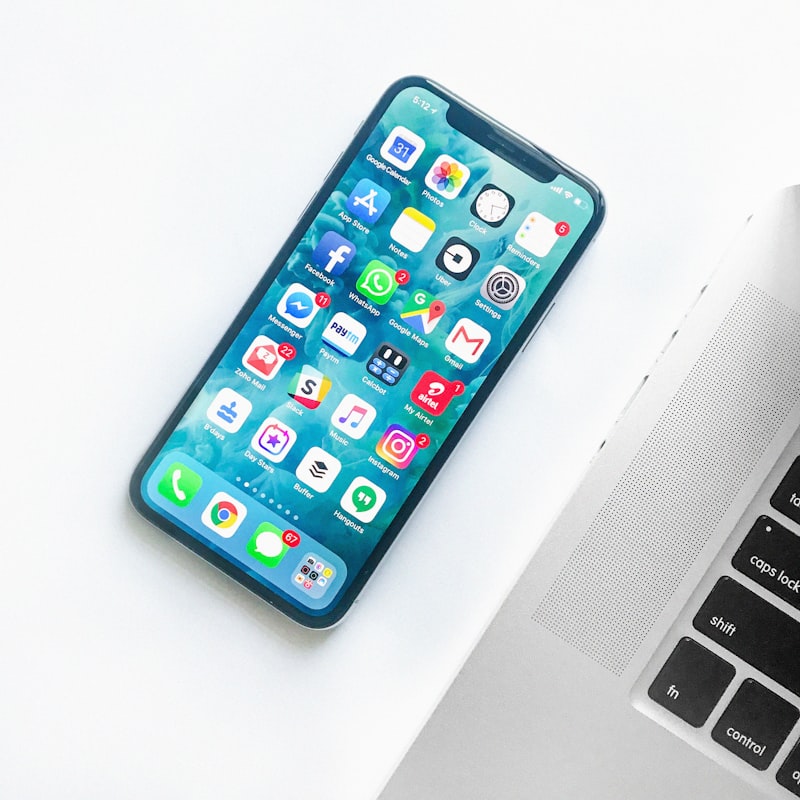 The June 2026 Android phone blowout has created some of the deepest discounts in recent smartphone history, raising important questions about the long-term value proposition of flagship devices.
- Pixel Fold: Woot is selling the Google Pixel Fold (256GB) for $449.99, a 75% discount from its $1,799 launch price in June 2023.
- Galaxy S25 Ultra 1TB: Currently $460 off at major retailers, bringing it to approximately $859 — that is $600 less than the newer Galaxy S26.
- Industry Average: Flagship smartphones lose 30%–50% of their value in Year 1 and 50%–65% by Year 2.
- iPhone Advantage: Apple devices retain 70%–75% of their value after 12 months, compared to 50%–60% for top Android flagships.
- Market Context: The global refurbished smartphone market is projected to exceed $140 billion by 2030, fueled partly by rapid flagship depreciation.
The Woot Clearance: $1,799 to $449 in Three Years
On June 2, 2026, Amazon-owned deal platform Woot listed the Google Pixel Fold (256GB) at $449.99 — a staggering 75% reduction from its original $1,799 retail price when it launched in June 2023. This is not a damaged or refurbished unit; Woot's listing positions these as new or manufacturer-refurbished devices cleared from inventory. The deal represents the single steepest percentage discount ever offered on a Google-branded flagship device, effectively reducing the per-year cost of ownership to approximately $450 per year of useful life.
To contextualize the scale of this markdown: a buyer who purchased the Pixel Fold at launch in 2023 and attempted to resell it today on the secondary market would recover approximately $350 to $400, based on current eBay and Swappa data. That translates to a realized depreciation of roughly $1,350 to $1,449 over 36 months — a loss rate of approximately $37 to $40 per month of ownership. For comparison, the average new car in the United States depreciates at roughly $200 to $300 per month during its first three years, but a car typically costs 15 to 20 times more than a smartphone at the point of sale.
The Pixel Fold's depreciation is particularly severe because it was Google's first attempt at a foldable form factor. Consumer uncertainty about hinge durability, display crease visibility, and the relatively limited app ecosystem optimized for the device's unique aspect ratio all contributed to weak secondary market demand. The release of the Pixel 9 Pro Fold in late 2024 and the Pixel 10 Pro Fold in 2025 further accelerated the original model's obsolescence, as each successor generation brought meaningful improvements in hinge engineering and display technology.
The Galaxy S25 Fire Sale: Samsung's Aggressive Discounting Playbook
The Pixel Fold clearance is not an isolated incident. Samsung's Galaxy S25 series, launched in January 2025 at price points ranging from $799 (Galaxy S25) to $1,419 (Galaxy S25 Ultra 1TB), is now subject to aggressive markdowns across every major retail channel. The most notable deal currently active is on the Galaxy S25 Ultra 1TB, now available for approximately $959 — a flat $460 discount from its launch price, and critically, $600 less than the newer Galaxy S26 Ultra.
| Device | Launch Price (MSRP) | Current Deal Price | Discount | Depreciation Rate |
|---|---|---|---|---|
| Google Pixel Fold 256GB | $1,799 | $449 (Woot) | 75% | ~$37/month over 36 months |
| Samsung Galaxy S25 Ultra 1TB | $1,419 | $959 | 32% | ~$27/month over 17 months |
| Samsung Galaxy S25 Ultra 256GB | $1,299 | ~$899 | 31% | ~$24/month over 17 months |
| Samsung Galaxy S25+ 256GB | $999 | ~$749 | 25% | ~$15/month over 17 months |
| Samsung Galaxy S25 128GB | $799 | ~$599 | 25% | ~$12/month over 17 months |
| Samsung Galaxy S25 FE | $599 | ~$499 | 17% | ~$25/month over 4 months |
Samsung's discounting strategy is structurally different from Google's inventory clearance. Samsung deliberately uses aggressive pricing on the previous generation to maintain market share and accelerate the upgrade cycle to the Galaxy S26 series. The company's global smartphone shipments remain the highest in the industry at approximately 53.6 million units in Q1 2026 (per Counterpoint Research), giving it the scale to absorb margin compression on older models while driving volume on newer hardware.
In India, the pricing dynamics are even more volatile. The Galaxy S25 FE dropped to approximately 48,999 rupees (roughly $575 USD) from its 55,999 rupee launch price, while the base Galaxy S25 has seen cumulative discounts of up to 24,000 rupees through combined flat reductions, bank cashback offers via Axis and SBI credit cards, and exchange bonuses. This multi-layered discounting strategy makes it extremely difficult for consumers to determine the "true" market price of a Samsung flagship at any given moment.
The Depreciation Curve: Why Android Flagships Bleed Value
The deals documented above are not anomalies but rather symptoms of a structural economic reality in the Android ecosystem. Industry-wide depreciation data paints a stark picture of how quickly flagship smartphones lose financial value.
- Year 1 (0–12 months): Most flagship smartphones lose 30% to 50% of their original retail value. The steepest depreciation occurs in the first 6 months, particularly in the weeks immediately following the launch of a successor model.
- Year 2 (12–24 months): Cumulative depreciation typically reaches 50% to 65% of the original price. At this stage, the device has usually been superseded by at least one and sometimes two newer generations.
- Year 3+ (24–36+ months): Devices retain only 20% to 30% of their initial value, assuming good physical condition. Software support windows become a critical factor at this stage.
The "Golden Window" for Resale: Industry analysts consistently recommend selling a flagship smartphone within 6 to 14 months of purchase — ideally 4 to 6 weeks before the successor model is officially announced. Waiting beyond this window typically results in a precipitous "value crash" as consumer attention and secondary market demand shifts to the newer technology.
Several factors contribute to why Android flagships specifically suffer from accelerated depreciation relative to their Apple counterparts. The sheer volume of competing Android models creates a fragmented market where no single device maintains aspirational status for long. Samsung alone releases multiple flagship tiers each year (S-series, Z-Fold, Z-Flip, FE variants), and when combined with Google's Pixel line, OnePlus, and Xiaomi's premium offerings, buyers in the secondary market have an enormous pool of alternative devices to choose from, each driving down the individual resale value of all others.
The iPhone Benchmark: Apple's Resale Value Moat
No analysis of smartphone depreciation is complete without benchmarking against Apple, which operates the consumer electronics industry's most durable resale value premium. Current market data indicates that iPhones typically lose only 25% to 30% of their value in the first 12 months, compared to the 40% to 50%+ first-year depreciation common among Samsung Galaxy and Google Pixel flagships.
- Controlled Supply: Apple releases one flagship line per year (with Pro, Max, and Ultra variants), creating scarcity and sustained demand rather than the perpetual refresh cycle seen in the Android ecosystem.
- Software Longevity: iPhones consistently receive 6 to 7 years of iOS updates, compared to Samsung's 4 years of OS updates and 5 years of security patches, and Google's 7 years for Pixel devices.
- Ecosystem Lock-In: Deep integration with iCloud, AirDrop, iMessage, and the broader Apple hardware ecosystem creates switching costs that sustain demand for used iPhones from both new Apple buyers and existing users upgrading within the ecosystem.
- Brand Perception: Apple's consistent positioning as a premium luxury technology brand maintains aspirational demand in secondary markets, particularly in developing economies where the price difference between new and used is a significant purchasing factor.
This differential has quantifiable financial implications over a typical 2-year ownership cycle. A consumer who purchased an iPhone 16 Pro Max at $1,199 in September 2024 and sold it in September 2026 would typically recover approximately $720 to $780, representing a net depreciation cost of roughly $420 to $480. A Samsung Galaxy S25 Ultra buyer who paid $1,299 in January 2025 and sold in January 2027 would recover approximately $520 to $600, a net loss of $700 to $780. The total cost-of-ownership differential over 2 years is approximately $280 to $300 in Apple's favor — money that effectively subsidizes the iPhone's higher upfront price.
The Refurbished Market Boom: Where Depreciated Phones Find Second Lives
The aggressive depreciation of flagship Android devices is not purely negative for the broader market. It fuels a rapidly expanding global refurbished smartphone industry that is projected to exceed $140 billion in annual revenue by 2030, according to multiple market research estimates. Companies like Back Market, Swappa, and regional players like Cashify in India have built substantial businesses around acquiring, certifying, and reselling devices that original owners have discarded or traded in.
The Woot Pixel Fold deal at $449 perfectly illustrates this dynamic. At that price point, the device transitions from a "failed $1,800 experiment" into a genuinely compelling value proposition for consumers who want to experience the foldable form factor without the $1,800 entry barrier. The same device that represented poor value retention for its original buyer becomes an outstanding deal for a secondary market purchaser willing to accept 3-year-old hardware.
"Foldable phones as a category are noted to depreciate faster than traditional smartphones, with some reports indicating they can lose over 50%–60% of their value within the first six to twelve months of ownership."— Android Headlines, 2026 Market Analysis
This observation applies particularly to first-generation devices. The original Galaxy Z Fold and the Pixel Fold both established new form factors, and the market's uncertainty about their long-term durability was priced directly into their resale curves. As foldable technology matures and consumer confidence increases with each successive generation, the depreciation gap between foldables and traditional slab-form flagships is expected to narrow, though it is unlikely to close entirely.
Strategic Buying: Maximizing Value in a Depreciating Market
For consumers navigating this complex pricing landscape in June 2026, the current deal environment creates several distinct strategic opportunities. The choice between buying now versus waiting depends entirely on usage requirements, budget constraints, and tolerance for generational hardware differences.
- Budget Foldable Entry: The Pixel Fold at $449 is the cheapest entry point into the premium foldable category currently available. Buyers should note that software support from Google ends in June 2028, leaving approximately 24 months of guaranteed updates.
- Samsung Flagship Value: The Galaxy S25 Ultra at $899–$959 offers the best price-to-performance ratio in the current Android flagship segment, particularly the 1TB variant which provides substantial storage headroom at a price previously associated with the base 256GB model.
- Wait for S26 Discounts: Historical Samsung pricing data suggests the Galaxy S26 series will begin receiving meaningful discounts approximately 4 to 6 months after launch, with the steepest reductions occurring around Black Friday in November 2026.
- Consider Apple for TCO: Buyers who upgrade every 2 years and resell should factor the $280–$300 resale value advantage of iPhones into their total cost of ownership calculation.
The current wave of Android phone discounts is not a temporary retail event but a structural feature of the smartphone market. As flagship launch prices continue to climb — driven by rising NAND flash, DRAM, and display component costs — the magnitude of eventual discounts will continue to grow in absolute dollar terms. For the informed buyer, this creates a market where patience and timing can save hundreds, if not thousands, of dollars over a multi-year device lifecycle.
Conclusion: The Price You Pay Is Rarely the Price It's Worth
The June 2026 Android phone blowout — headlined by Woot's 75% Pixel Fold clearance and Samsung's cascading Galaxy S25 markdowns — provides a stark, data-driven reminder that flagship smartphone prices are among the most volatile in consumer electronics. A $1,799 device becoming a $449 commodity in 36 months represents a depreciation rate that few other product categories can match. For consumers, the lesson is clear: the best value in flagship smartphones is almost never found on launch day, but rather in the structured, predictable discount cycles that follow 12 to 18 months later. Understanding this depreciation math is the single most impactful financial decision a smartphone buyer can make.
- HotHardware, "Android Phone Blowout: Woot Slashes Pixel Fold By 75%," June 2, 2026. hothardware.com
- 9to5Toys, "Samsung Galaxy S25 Ultra 1TB now $460 off," June 2, 2026. 9to5toys.com
- Woot.com, Google Pixel Fold 256GB Listing, June 2026. woot.com
- Counterpoint Research, Global Smartphone Shipments Q1 2026.
- Android Headlines, "Foldable Phone Depreciation Analysis," 2026.
- SellCell, "iPhone vs Samsung Resale Value Study," 2025-2026. sellcell.com
Post a Comment